Stone Flooring Installation in Centennial, CO
Natural stone flooring has a way of making a room feel grounded and permanent. There is something about walking on granite, travertine, or limestone that carpet and vinyl just cannot replicate. The weight of it, the coolness underfoot, the way light catches the surface at different times of day. If you have been considering stone tiles for your home or business, you probably already know they require a different approach than standard ceramic tile or laminate. The installation process matters here, maybe more than with any other flooring material, which is why recommended stone flooring installation requires experienced professionals who understand these unique materials.
Why Stone Flooring Stands Apart From Other Materials
Stone is not manufactured in a factory somewhere and stamped into uniform shapes. Each piece pulled from a quarry carries its own grain patterns, color variations, and subtle imperfections that make it unique. This is part of the appeal, obviously. But it also means the installation cannot follow a cookie cutter approach. Natural stone tiles come in different thicknesses, densities, and porosity levels depending on the stone type. Granite behaves differently than travertine. Limestone absorbs moisture at a different rate than slate.
These characteristics affect everything from the adhesive selection to how the subfloor needs to be prepared. A tile surface that looks perfect on day one can develop cracked tiles within months if the substrate was not properly addressed beforehand. The weight alone creates challenges that ceramic and porcelain tile installations do not face. We are talking about large and heavy tile pieces that demand a stable, level foundation and the right mortar to keep them in place permanently.
Preparing the Substrate for Natural Stone Installation
Before any stone touches the floor, the subfloor needs attention. This part of the process often gets rushed, and that is where problems start. Moisture content in concrete slabs must be tested and addressed. Wood subfloors need assessment for flex and levelness. Any movement in the substrate will eventually telegraph through to the stone above, causing cracks or loose tiles down the road.
Floor & More handles subfloor preparation as a critical phase, not an afterthought. Our team checks for levelness, moisture issues, and structural concerns before recommending how to proceed. Sometimes this means applying a leveling compound. Other times it requires addressing moisture barriers or reinforcing the underlying structure. The goal is creating a substrate that will support heavy natural materials without shifting over time.
Thermal movement is another factor that gets overlooked. Stone expands and contracts with temperature changes, and the installation must accommodate this reality. Proper expansion joints and the correct adhesive formulation help prevent the kind of stress fractures that show up years later.
The Installation Process for Natural Stone Floors
Once the subfloor passes inspection, layout planning begins. This is where careful planning makes a visible difference in the final result. Our installers dry lay sections of the stone to check the pattern, color distribution, and fit before any adhesive goes down. This step catches issues early and ensures the tiled area looks intentional rather than random.
We snap chalk lines to establish straight reference points across the room. Natural stone rarely comes in perfectly uniform tile sizes, so adjustments happen throughout the laying process. Cut tiles get positioned strategically, usually along walls or in less visible areas where the eye naturally rests less often. When cuts are needed, a diamond blade ensures clean edges without chipping or cracking the material.
The mortar application follows guidelines from the Tile Council of North America (TCNA), using the right trowel size and technique for the specific stone being installed. Natural stone tiles require back buttering in addition to spreading mortar on the substrate. This extra step ensures the 95% coverage that industry standards require for stone, with no voids exceeding two square inches and full support at corners and edges. Skipping this step is how installations fail down the line.
Grouting and Sealing Natural Stone
Grout joints on natural stone floors serve both functional and aesthetic purposes. The spacing between tiles allows for that thermal movement mentioned earlier while also contributing to the overall look of the finished floor. Choosing between sanded and unsanded grout depends on two things: the joint width and the stone type. For joints 1/8 inch or smaller, unsanded grout works well. For wider joints, sanded grout provides better support and resists shrinkage. Here is where it gets tricky though. Polished or soft stones like marble, limestone, and some travertine can scratch from the sand particles during application. In those situations, epoxy based grout often makes the most sense because it handles wider joints without risking damage to the stone surface.
After the grout is applied, excess grout gets wiped away with a damp sponge before it sets. Timing matters here. Work too slow and the grout hardens in place. Work too fast and you pull material out of the joints. Our installers know the window and work methodically across the tiled area to achieve consistent, clean grout lines.
Sealing natural stone happens in two stages. The stone should be sealed before grouting to prevent grout from absorbing into the porous surface and causing discoloration. Once the grout has fully cured, typically 24 to 72 hours later, a second coat of sealer goes on to protect both the stone and grout together. Unlike ceramic tile, natural stone absorbs liquids and can stain permanently if left unprotected. A quality penetrating sealer creates a barrier against spills, dirt, and staining without changing the appearance of the stone. Some homeowners prefer a matte finish that keeps the natural look. Others want a slight sheen that deepens the color. We discuss these options before applying anything.
Stone Flooring Options We Install
Our Centennial showroom carries a range of natural stone products suited for different applications and design preferences:
- Granite tiles for high traffic areas and commercial spaces where durability matters most
- Travertine for bathrooms, entryways, and living spaces where the classic Mediterranean look fits
- Limestone for a softer, more muted appearance that works well in traditional and transitional interiors
- Slate for mudrooms and spaces where texture and slip resistance are priorities
- Marble for formal areas where elegance is the primary consideration
Each stone type has its own maintenance requirements and best use cases. We help clients match the material to the room and lifestyle rather than just picking something that looks good in a photo.
What Makes Correct Installation Worth the Investment
A stone floor is a long term commitment. Done right, it lasts decades and often outlives the homeowners who installed it. Done poorly, it becomes a source of constant frustration. Cracked tiles, loose pieces, grout that crumbles, staining that penetrates the surface. These problems trace back to shortcuts during installation more often than defects in the material itself.
Floor & More approaches every stone installation as an achievable project that deserves proper execution from start to finish. Our team has the experience to handle the weight, the precision to create clean layouts, and the knowledge to select the right adhesive, mortar, and grout for each stone type. We measure twice, prepare thoroughly, and take the time to get details right.
Whether you are upgrading a bathroom with travertine, installing granite throughout a kitchen, or covering a large commercial space with limestone, the process follows the same principles. Solid preparation, correct installation techniques, and proper finishing. That is how stone floors deliver the durability and beauty they are known for.
Upgrading Aesthetics with Quality Stone Installation in Centennial, Colorado
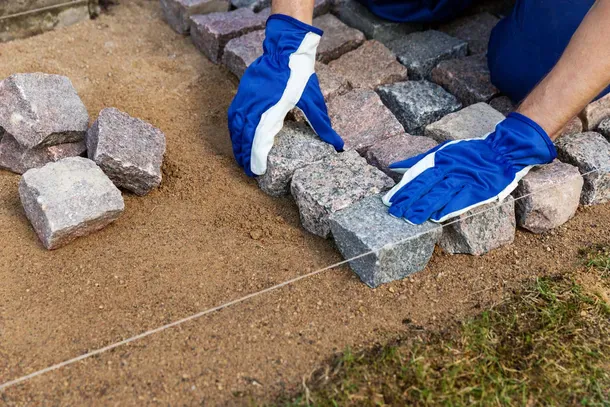
In Centennial, Colorado, Floor & More is an expert at installing stone that gives your home a natural look and long-lasting quality. We have many types of stone, like granite, marble, and slate, which can be used for different things, like tables, floors, and accents. Our team carefully installs each piece of stone, ensuring it fits perfectly and is finished in a way that shows off its natural beauty. Together with you, we’ll find the suitable stone that will make your home look better and last for a long time for your remodeling or building project.
Schedule a Consultation at Our Centennial Showroom
Stop by our showroom on Smoky Hill Road to see natural stone samples in person. Comparing materials under showroom lighting gives you a much better sense of color and texture than any website photo can provide. Our team can discuss your project, review your space requirements, and provide a free estimate for professional stone flooring installation.
Contact us to schedule a consultation or request an in home measurement. We serve homeowners and businesses throughout Centennial, Denver, Aurora, Parker, and surrounding communities across the greater Denver metro area.
Other Services We Offer:
Recent Fireplaces & Stone Projects
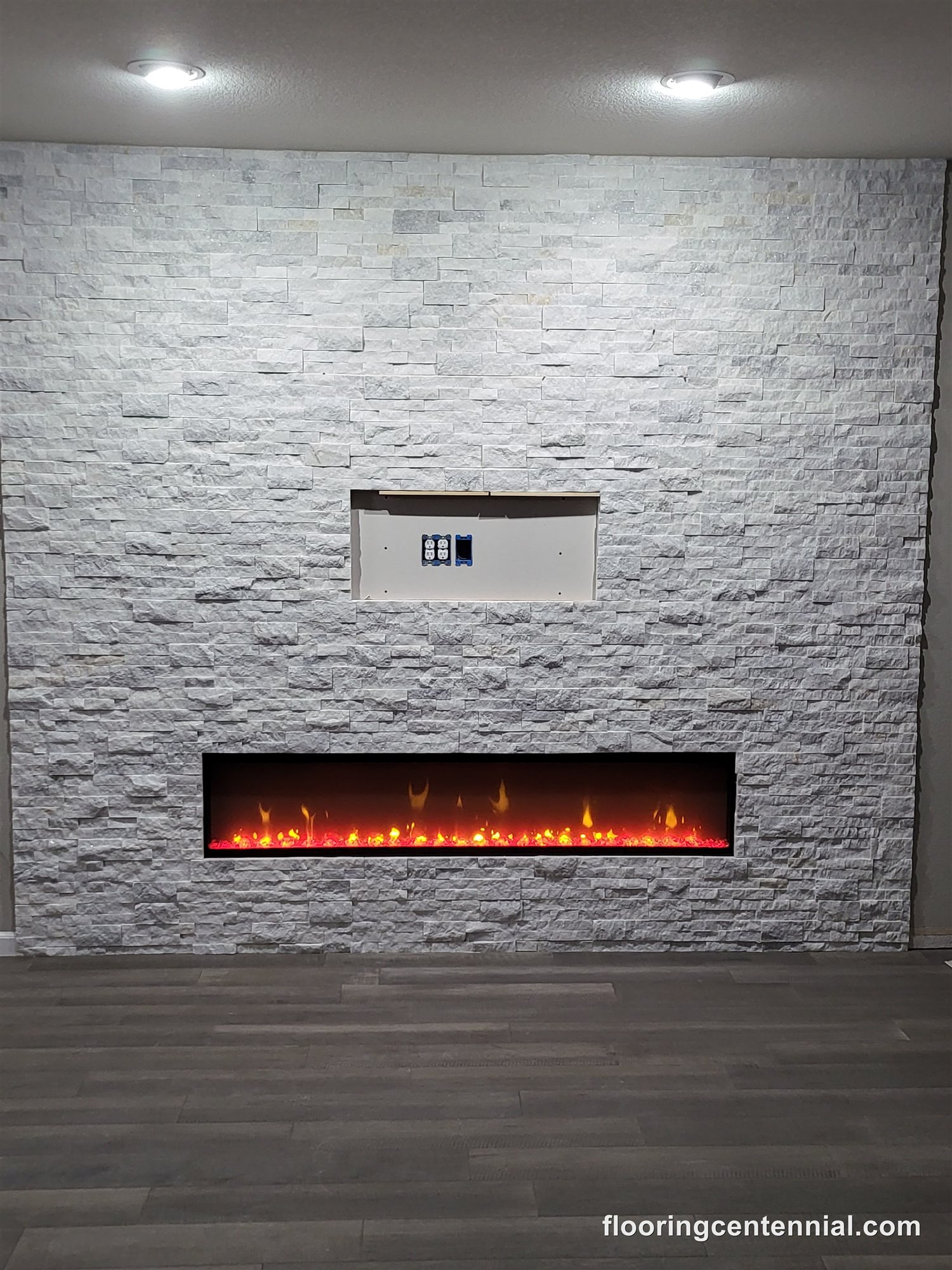
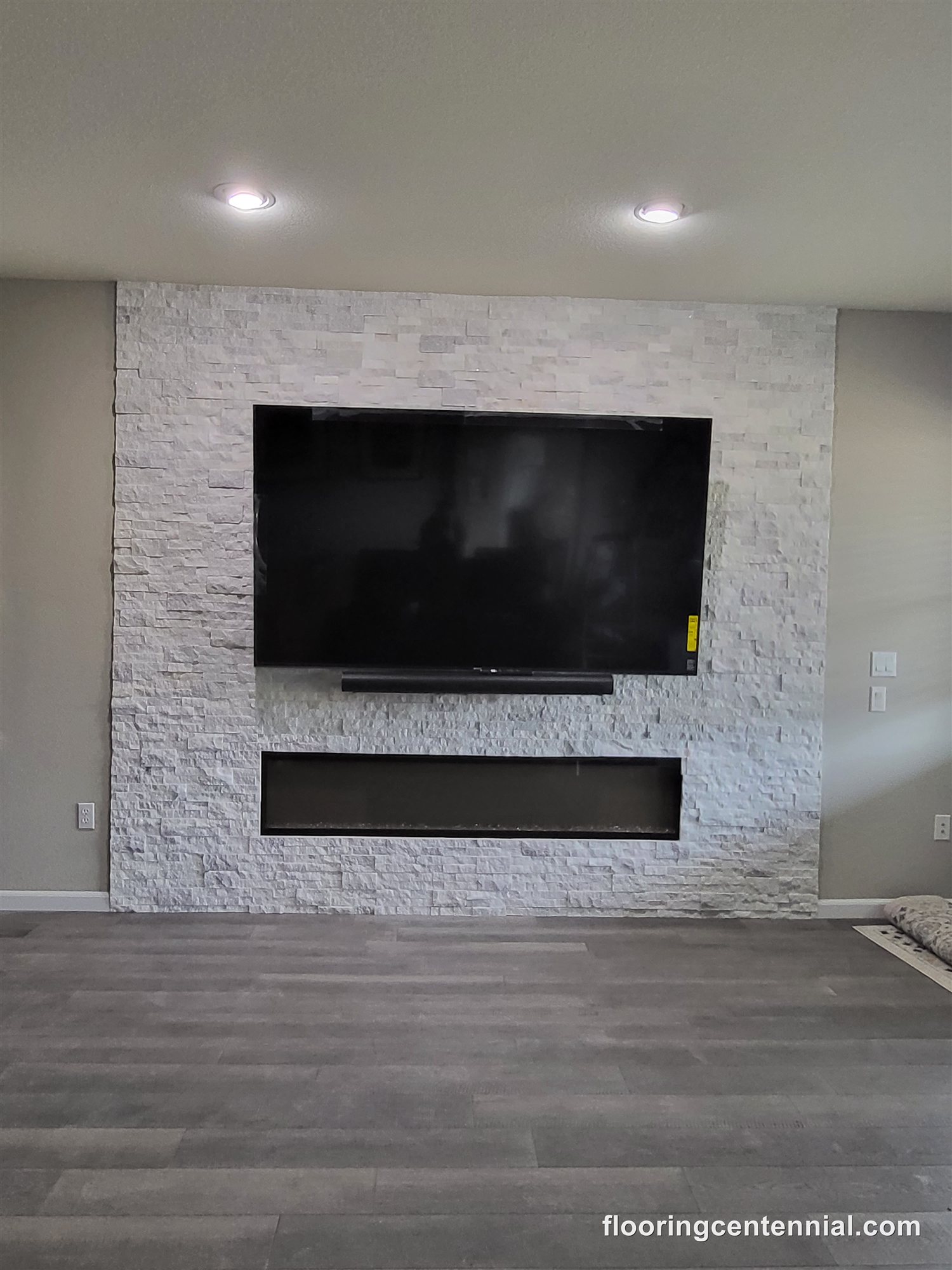
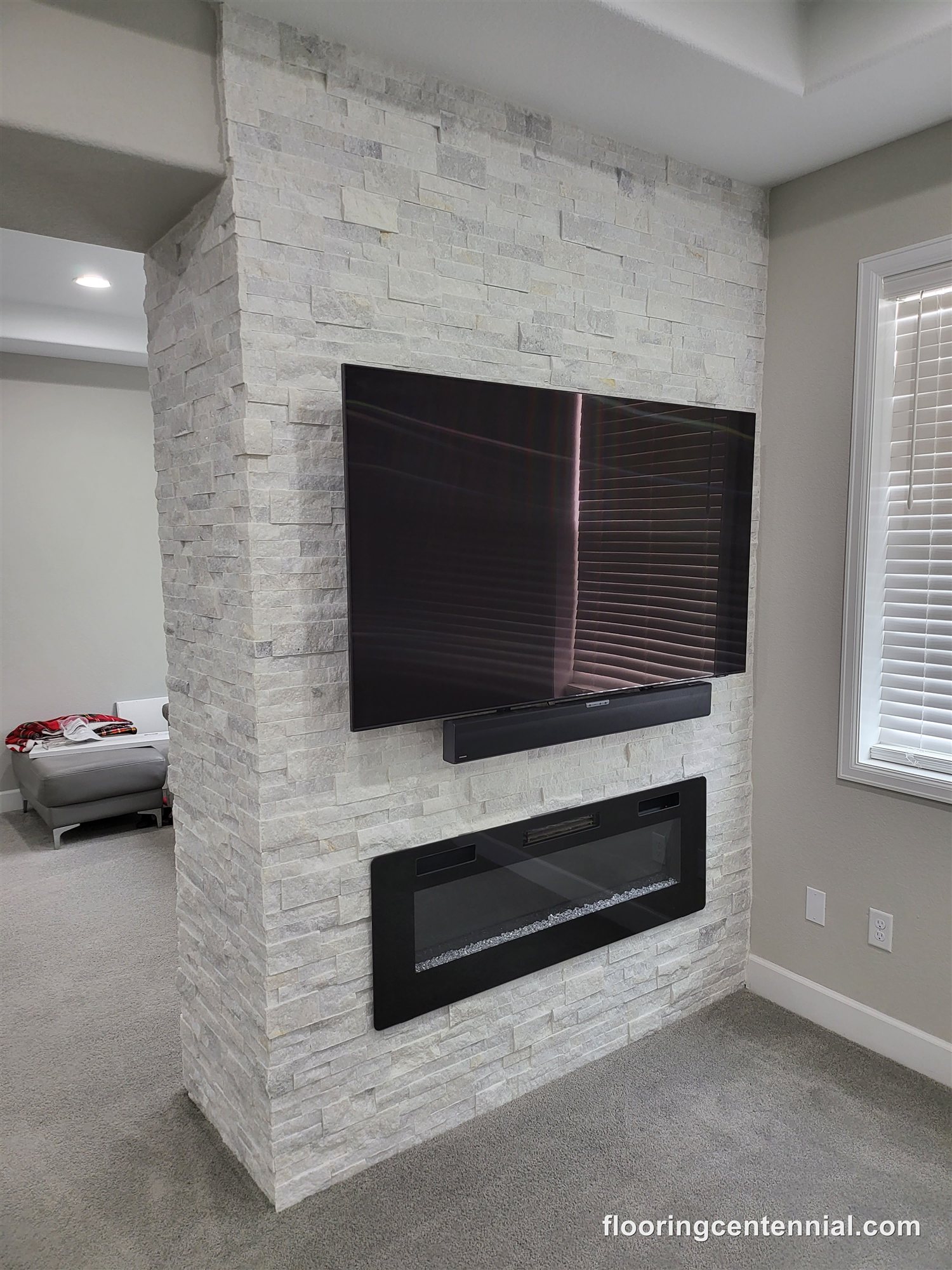
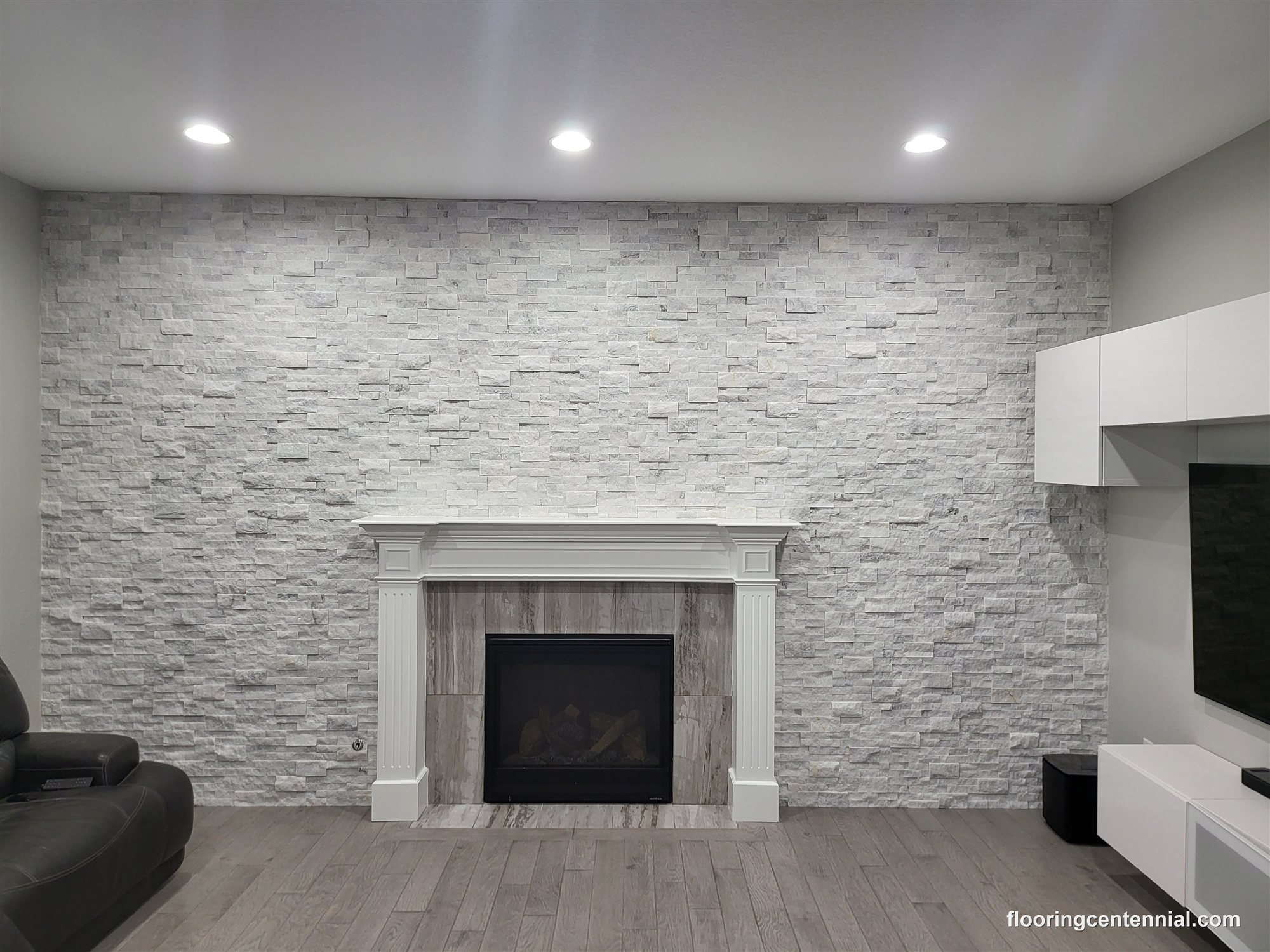
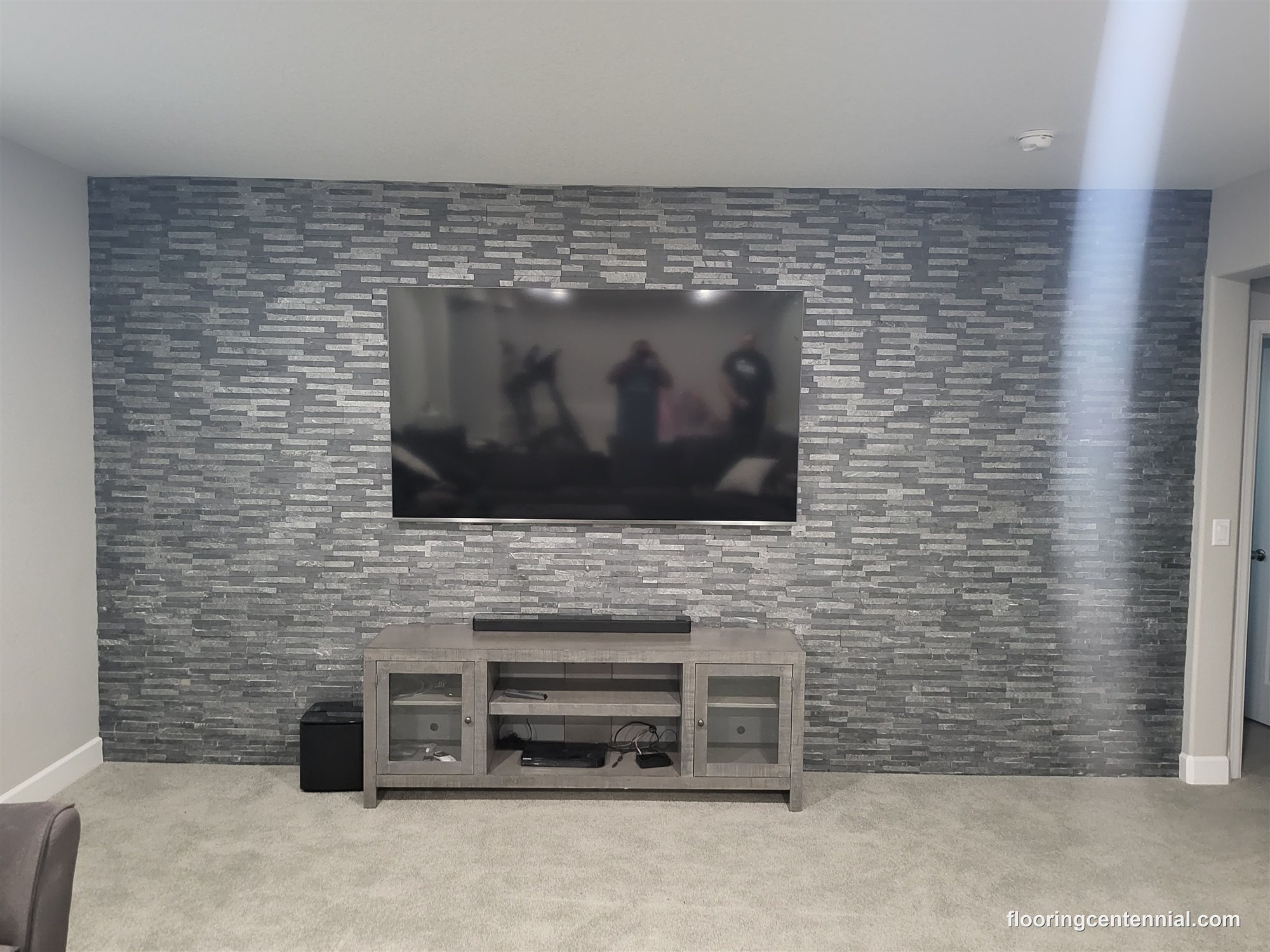
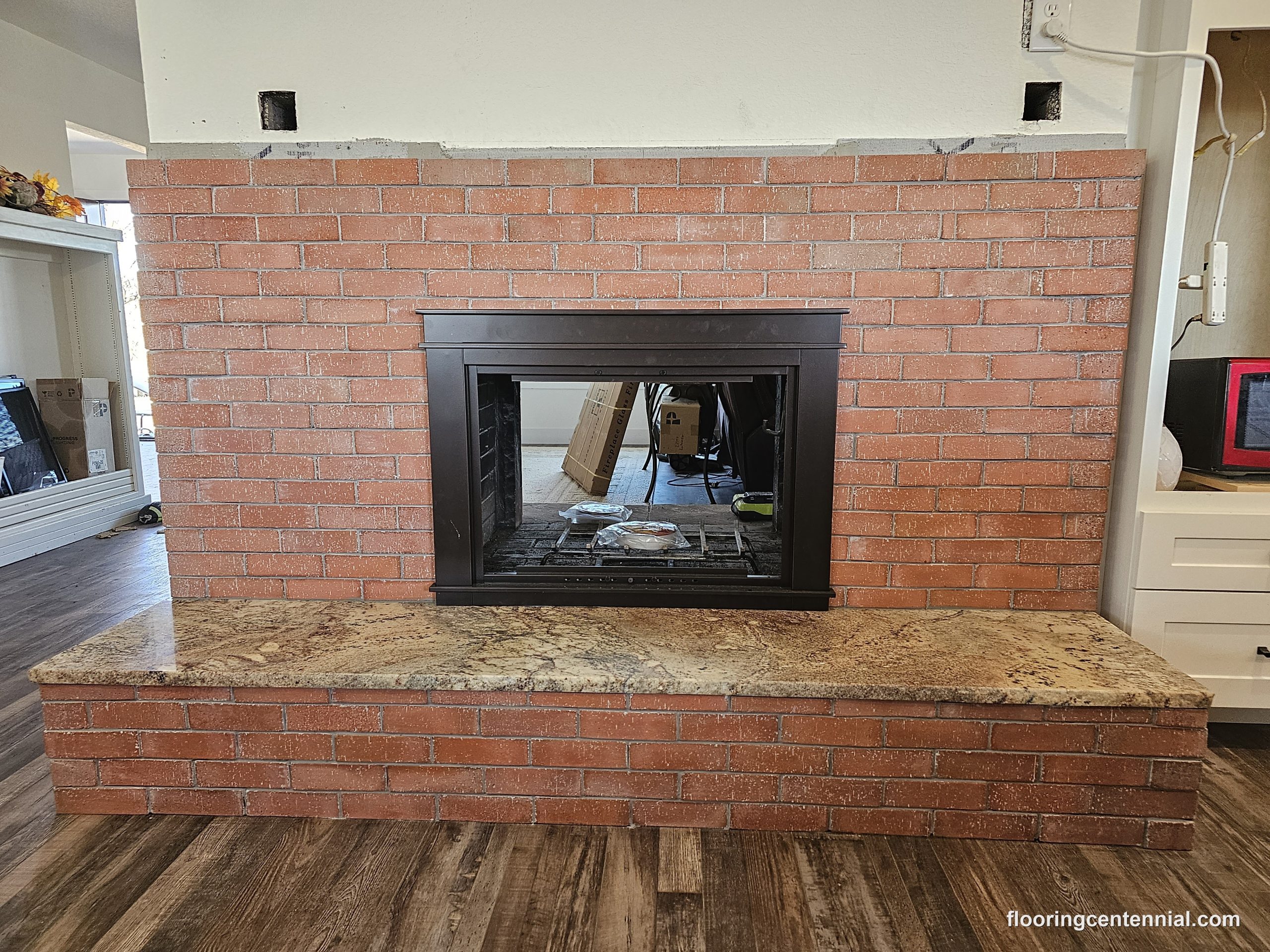
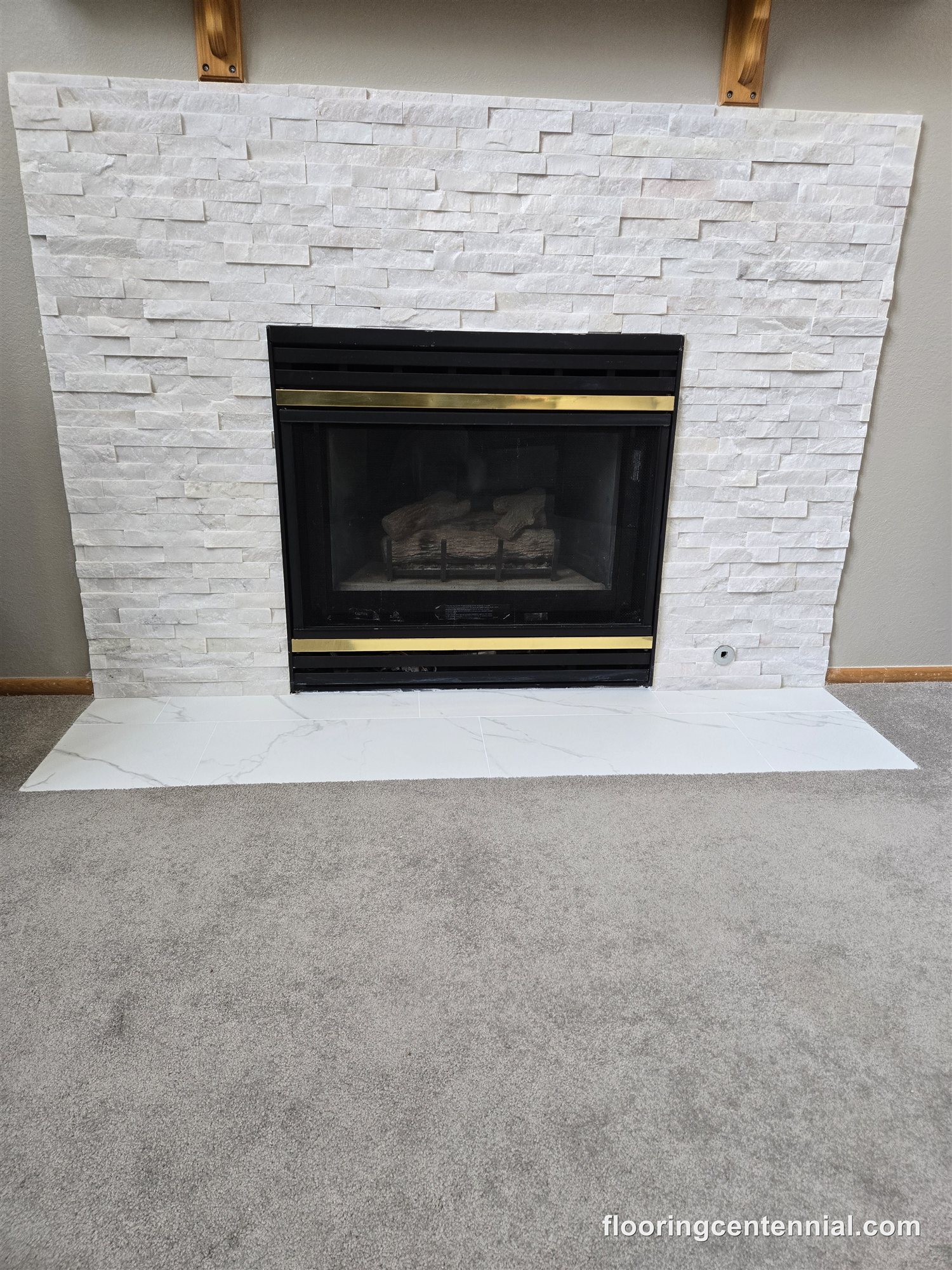
A few real fireplaces & stone projects completed for homeowners across the Denver Metro area.