
When it comes to opt for carpet or hardwood flooring, a few key things make all the difference. The carpet vs. hardwood question comes up on nearly every project we handle at Floor & More. Both materials are popular for good reason, and neither one wins in every home. The right call depends on the specific room, how your household lives day to day, your budget, and what Colorado’s climate does to different materials over the years. Here is an honest breakdown of how the two compare across the factors that matter most for homeowners planning premium flooring installation in Centennial, CO.
What Are the Main Differences Between Carpet and Hardwood?
Carpet is a fiber-based flooring material installed over a pad. It comes in a range of materials from nylon to polyester to wool, with textures that run from dense berber loops to soft cut pile. It is warmer underfoot, quieter, and generally the more affordable installed option for most rooms.
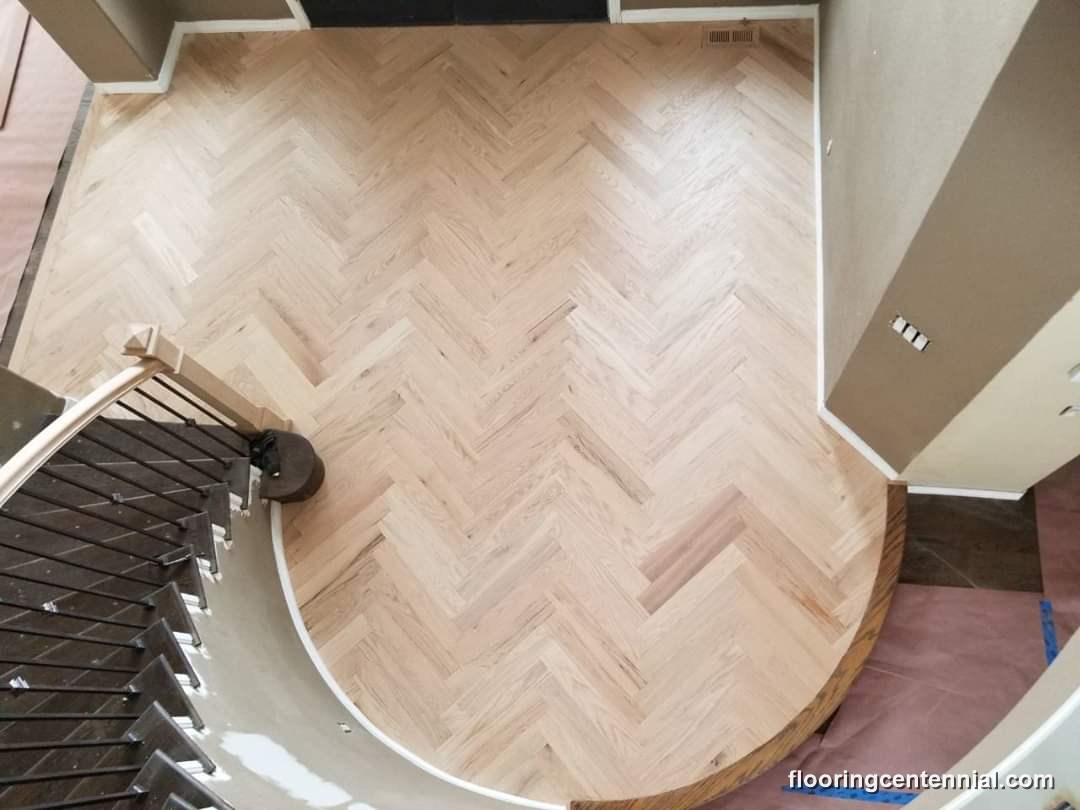
Hardwood flooring is milled from real wood. Solid hardwood is a single plank that can be sanded and refinished many times over its lifetime. Engineered hardwood uses a genuine wood veneer bonded over a multi-layer core, making it more stable in spaces where humidity fluctuates. Both are real wood products, and both carry a visual weight that carpet does not replicate.
At our showroom on Smoky Hill Road in Centennial, we carry both materials alongside LVP, tile, stone, and cabinetry. Seeing and touching options side by side is the fastest way to get clarity on which direction fits your home and your budget. Our Room Visualizer also lets you preview flooring in your actual space before you visit.
Which Flooring Holds Up Better in Colorado’s Climate?
Colorado’s dry winters are the primary climate consideration for hardwood. Solid hardwood contracts in low humidity, which creates small gaps between boards when the flooring is not properly acclimated before installation and when indoor humidity is not managed over time. Our team requires a minimum of 3 to 5 days of acclimation in the installation space before any boards go down. Engineered hardwood is dimensionally more stable and is typically the stronger choice for main-level rooms where the indoor climate shifts with the seasons.
Carpet is not affected by humidity in the same way. In basements, though, moisture vapor from concrete slabs causes real problems over time. Below-grade carpet needs a moisture-barrier pad to prevent mold and odor from developing beneath the fibers. We specify the correct pad type for every room before installation begins.
What Works Best for Homes with Pets and Kids?
Between carpet and hardwood specifically, the answer varies depending on the concern.
For pet scratches, harder wood species like hickory and white oak resist claw damage better than softer species like pine. A factory-finished engineered hardwood is also generally more scratch-resistant than a site-finished solid board. Dense-weave carpet handles everyday pet activity reasonably well, but stains and odors penetrate fibers over time in ways that hard surfaces do not.
For households with young children, carpet is warmer on the floor, softer for falls, and quieter. Many families in Parker, Highlands Ranch, and Aurora choose hardwood for main living areas and keep carpet in bedrooms where comfort on the floor matters more.
It is also worth knowing that luxury vinyl plank installation sits between carpet and hardwood in this conversation. LVP is 100 percent waterproof, scratch-resistant with a thick wear layer, and one of the most practical choices for households with pets and kids.
How Do the Costs Compare for Centennial Homeowners?
General installed cost ranges for the Denver metro area:
- Carpet: $3 to $8 per square foot installed, depending on fiber and pad selection
- Engineered hardwood: $6 to $12 per square foot installed
- Solid hardwood: $8 to $15 or more per square foot installed
Subfloor preparation adds to the total for both materials and should always be factored into the final number. Our team at Floor & More includes subfloor assessment in every estimate so there are no surprise line items after work begins. Free estimates are available with no obligation, and financing is available for homeowners who want to get the project started without covering the full cost upfront.
Which One Is Easier to Maintain Over Time?
Hardwood requires consistent care. Sweep or vacuum regularly with a soft-bristle attachment, clean spills promptly, and use a hardwood-specific cleaner. Avoid steam mops and standing water. In Colorado’s dry climate, keeping indoor humidity between 35 and 55 percent reduces seasonal movement in the boards.
Carpet needs regular vacuuming and periodic professional cleaning. Under heavy use with kids or pets, carpet gets cleaned more frequently, and some stains do not come out regardless of the method used.
From a long-term maintenance standpoint, hardwood holds its appearance better. Carpet degrades faster under sustained traffic and tends to show wear in ways that are difficult to reverse without full replacement.
Does Carpet or Hardwood Add More Value When Selling?
Hardwood floors are a documented selling feature. The National Association of Realtors has consistently found that hardwood flooring produces a positive return on investment at resale. In Centennial, Aurora, and Castle Rock, homes with real hardwood in main living areas tend to show better and attract stronger offers than comparable homes without it.
Carpet in good condition is not a negative signal, but buyers frequently factor replacement costs into their offers, particularly for carpet that is more than 8 to 10 years old. Hardwood, when maintained well, rarely prompts that kind of negotiation.
If resale value is a priority in your decision, hardwood is the stronger long-term call.
How Do You Make the Right Call for Your Centennial Home?
A few questions that typically clarify the decision:
- Is the room at or below grade? Below grade, avoid solid hardwood.
- Is moisture a factor in this space? Carpet with a moisture-barrier pad or LVP are better fits.
- Do you have dogs with claws? Choose a hard-species hardwood or LVP.
- How long are you staying in this home? Long-term, hardwood pays off at resale.
- What is your installed budget? Carpet almost always costs less to install.
Many homeowners across the Denver metro use both in the same home. Hardwood in main living areas and carpet in bedrooms or finished basements. There is no rule against mixing materials when each choice is grounded in how that specific room gets used.
Frequently Asked Questions
What is the difference between solid hardwood and engineered hardwood? Solid hardwood is milled from a single piece of wood and can be refinished multiple times over decades. Engineered hardwood has a real wood veneer over a multi-layer core. It handles humidity changes better and works over concrete or radiant heat. Both are real wood products.
Can carpet be installed in a basement in Colorado? Yes, with the right pad. A moisture-barrier pad is required between concrete and carpet in below-grade spaces. Without it, moisture vapor from the slab can cause mold and odor to develop beneath the fibers over time.
What flooring works best for homes with dogs? LVP with a thick wear layer is the most dog-friendly hard surface option. If you prefer hardwood, harder species like hickory and white oak hold up better against claw traffic. Our showroom carries both so you can compare wear-layer ratings and hardness scores side by side.
How long does hardwood need to acclimate before installation in Colorado? A minimum of 3 to 5 days in the installation space, at the home’s normal living temperature and humidity. Skipping acclimation is one of the most common causes of post-installation gapping and cupping in Colorado homes.Does Floor & More offer financing for flooring projects? Yes. Financing is available to help homeowners start their project without paying the full cost upfront. Ask about options during your estimate appointment.
Contact Us
We’re here to assist you with all your flooring and remodeling needs. Whether you’re ready to start your project or just have a question, reaching out is easy:
Visit Us: 16728 East Smoky Hill Road, Unit 10-A, Centennial, CO 80015
Call Us: (303) 993-6479
Business Hours:
- Monday to Friday: 10:00 AM – 6:00 PM
- Saturday: 10:00 AM – 3:00 PM
- Sunday: Closed
Request a Free Estimate: Fill out our online form for a personalized consultation.
We look forward to helping you transform your space!
Related topics:
- Budget-Friendly Flooring Materials That Don’t Compromise Style
- Eco-Friendly Flooring Solutions for Centennial, CO Homes
For additional guidance, see the National Wood Flooring Association.
Ready to upgrade your floors? Explore our hardwood flooring installation services.