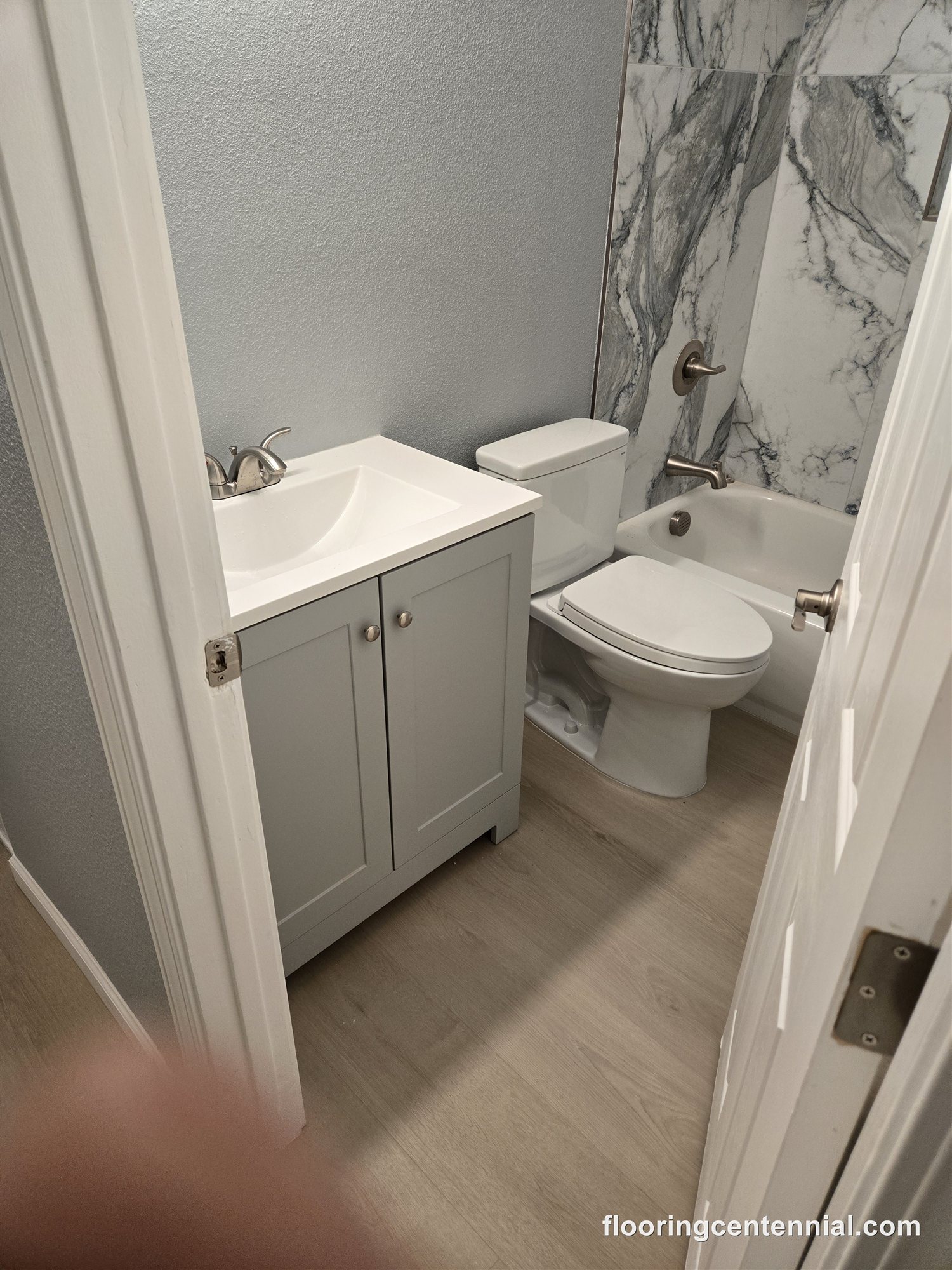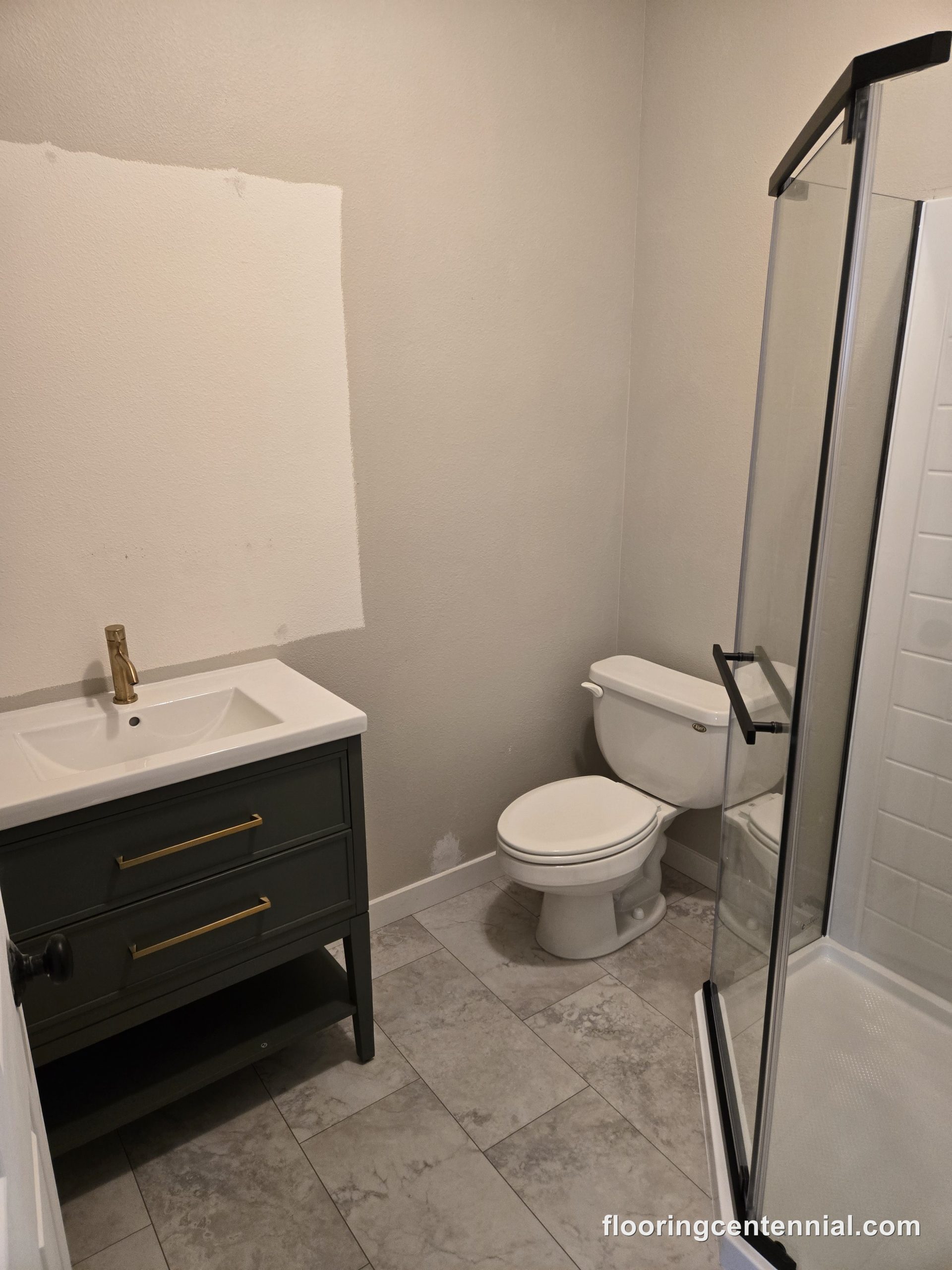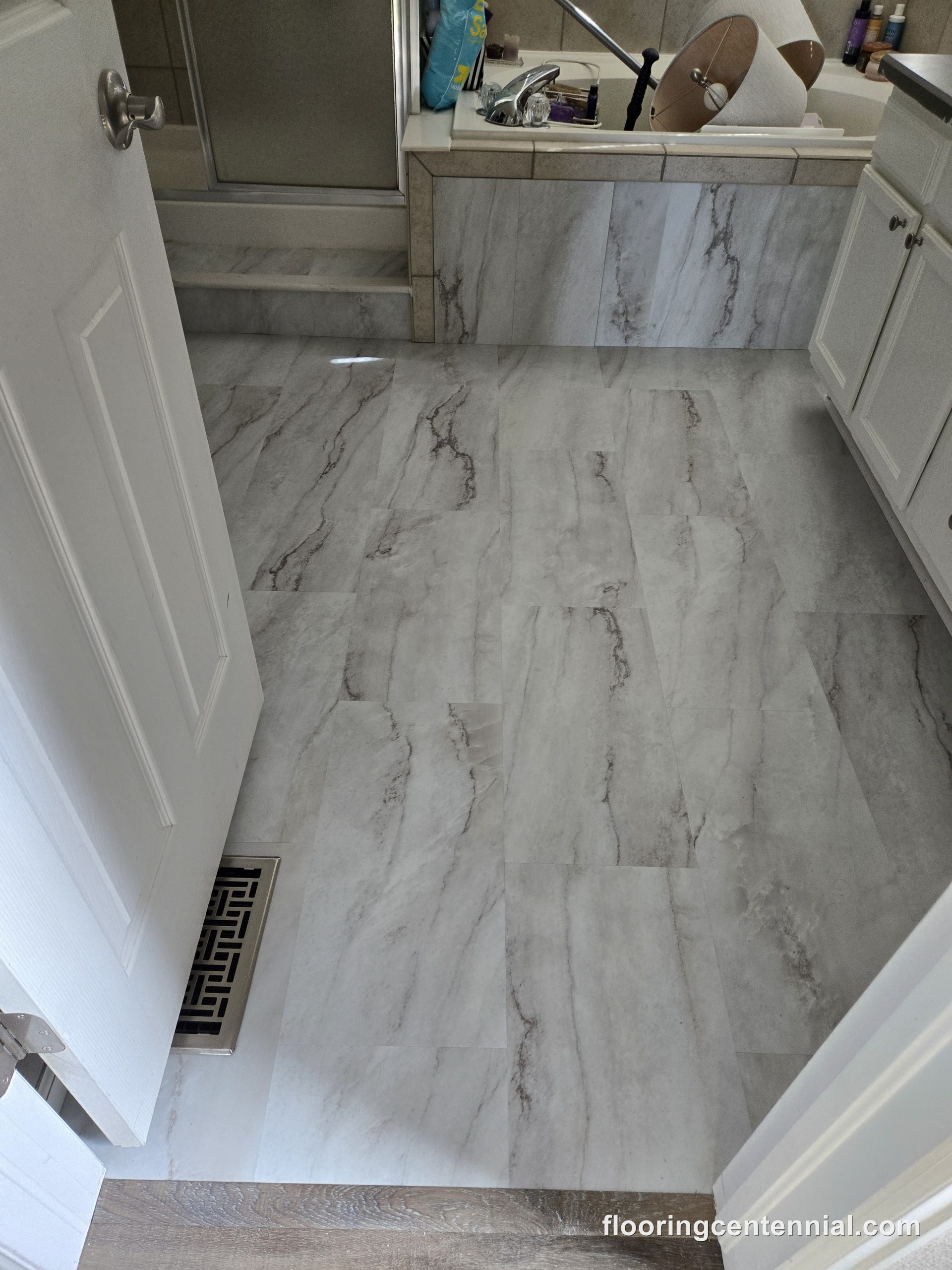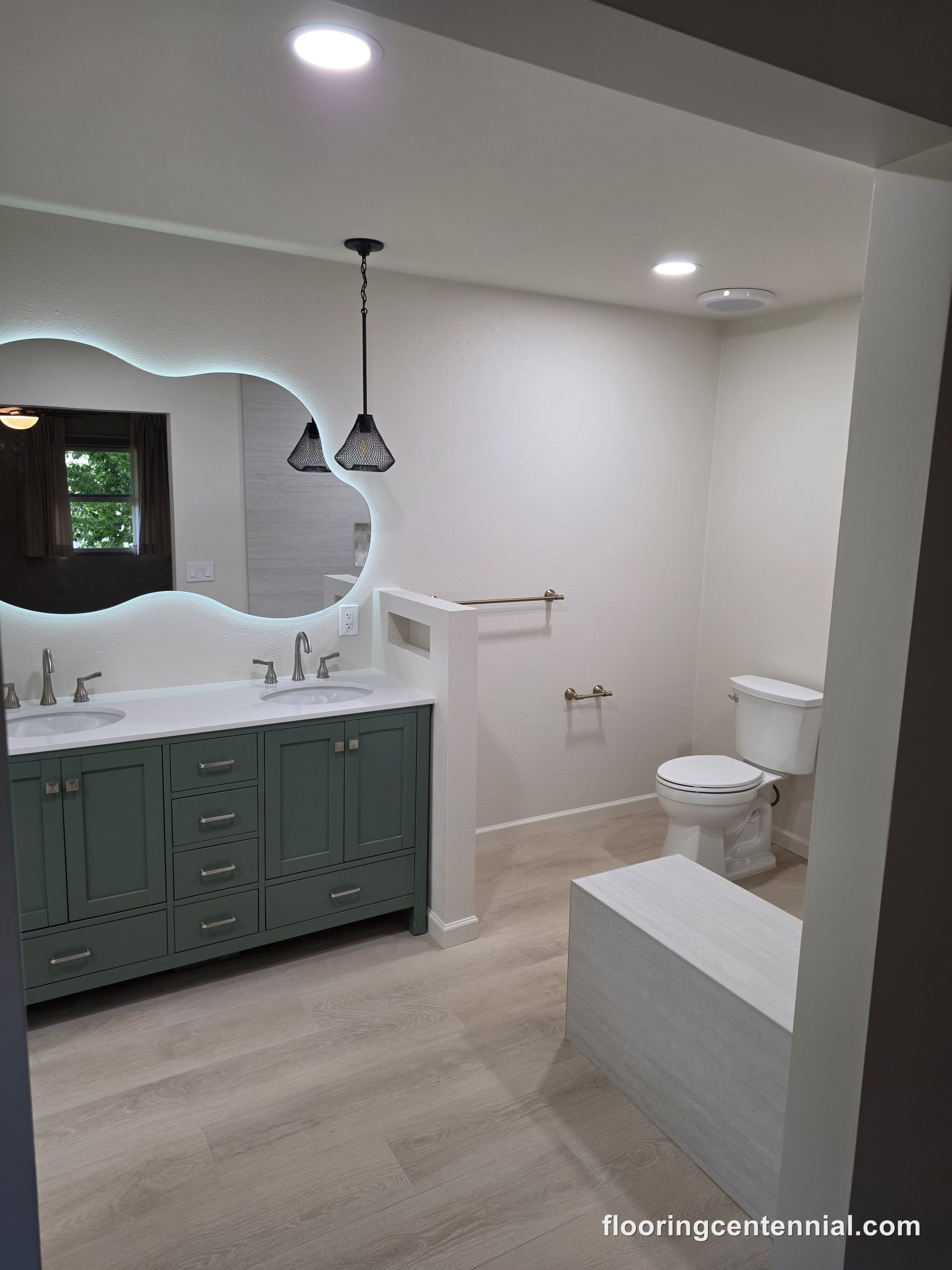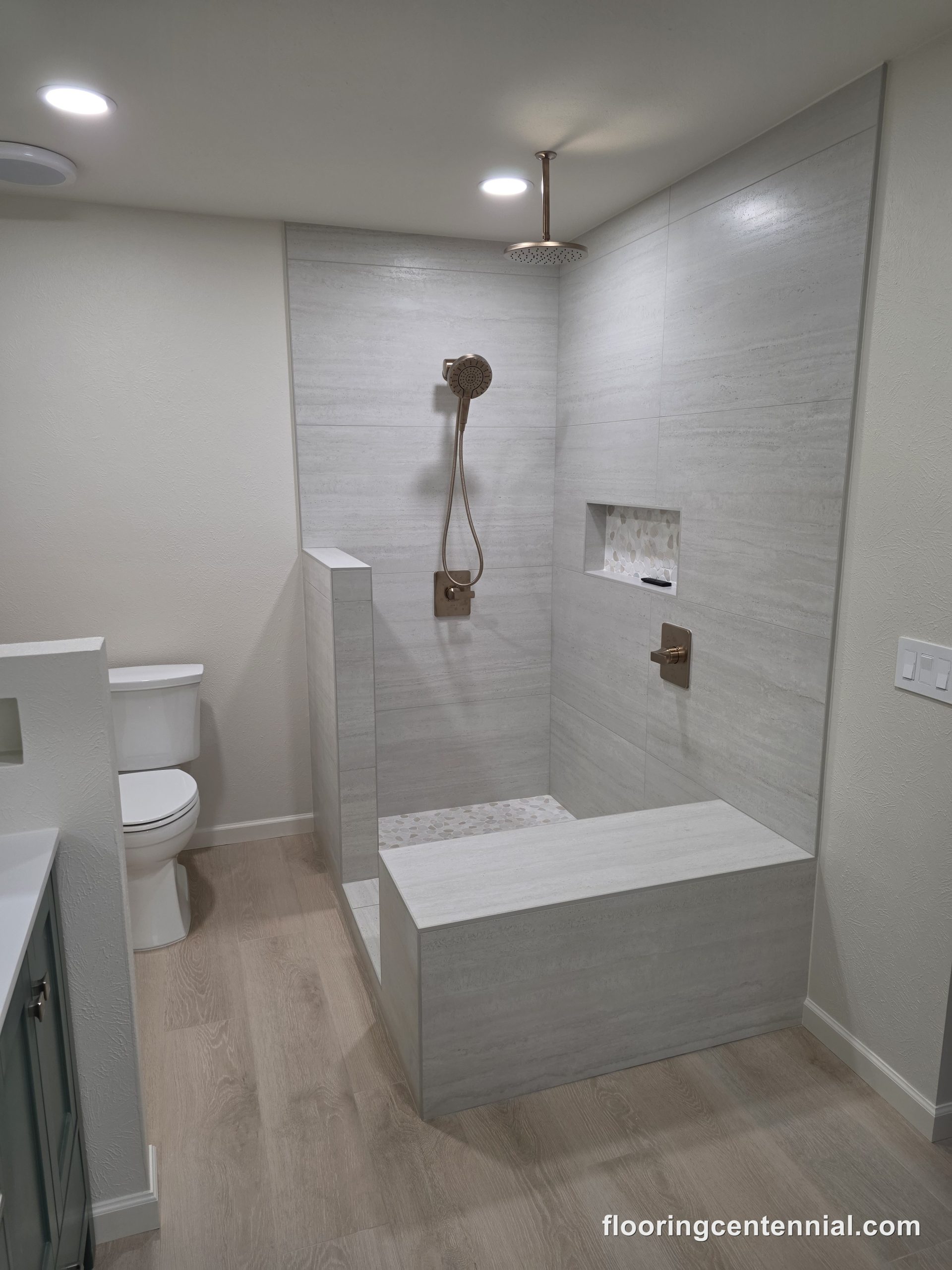
Tile Floor Installation in Centennial, CO
Tile floors hold up better than most flooring options, and they look good doing it. Whether you are redoing a bathroom, updating a laundry room, or adding tile to your entryway, the material alone will only take you so far. The installation is what makes or breaks the project. A tile floor set over a poorly prepared subfloor, installed with improperly mixed thinset, or finished with uneven grout lines will show problems quickly, and those issues rarely fade with time. That is why homeowners who want the best tile floor installation in Centennial, CO, focus just as much on skilled workmanship and proper preparation as they do on choosing the right tile.
At Floor & More, we handle tile floor installation across Centennial and the surrounding Denver metro area. Our team has over 50 years of combined experience laying tile in homes and commercial spaces. We work with ceramic tile, porcelain, large-format tiles, and everything in between. From the subfloor prep to the final grout set, we manage every step so the finished product is flat, stable, and built to last.
Why Tile Works for Colorado Homes
Tile is practical for the way people actually live. It handles moisture without warping, so bathrooms and laundry rooms stay in good shape year after year. Kitchens benefit from a surface that cleans up easily and does not absorb spills. In an entryway, tile stands up to foot traffic, dirt, mud, and whatever else gets tracked in from outside. Colorado weather means snow, rain, and dry spells, sometimes all in the same week. Tile does not react to those shifts the way carpet or wood might.
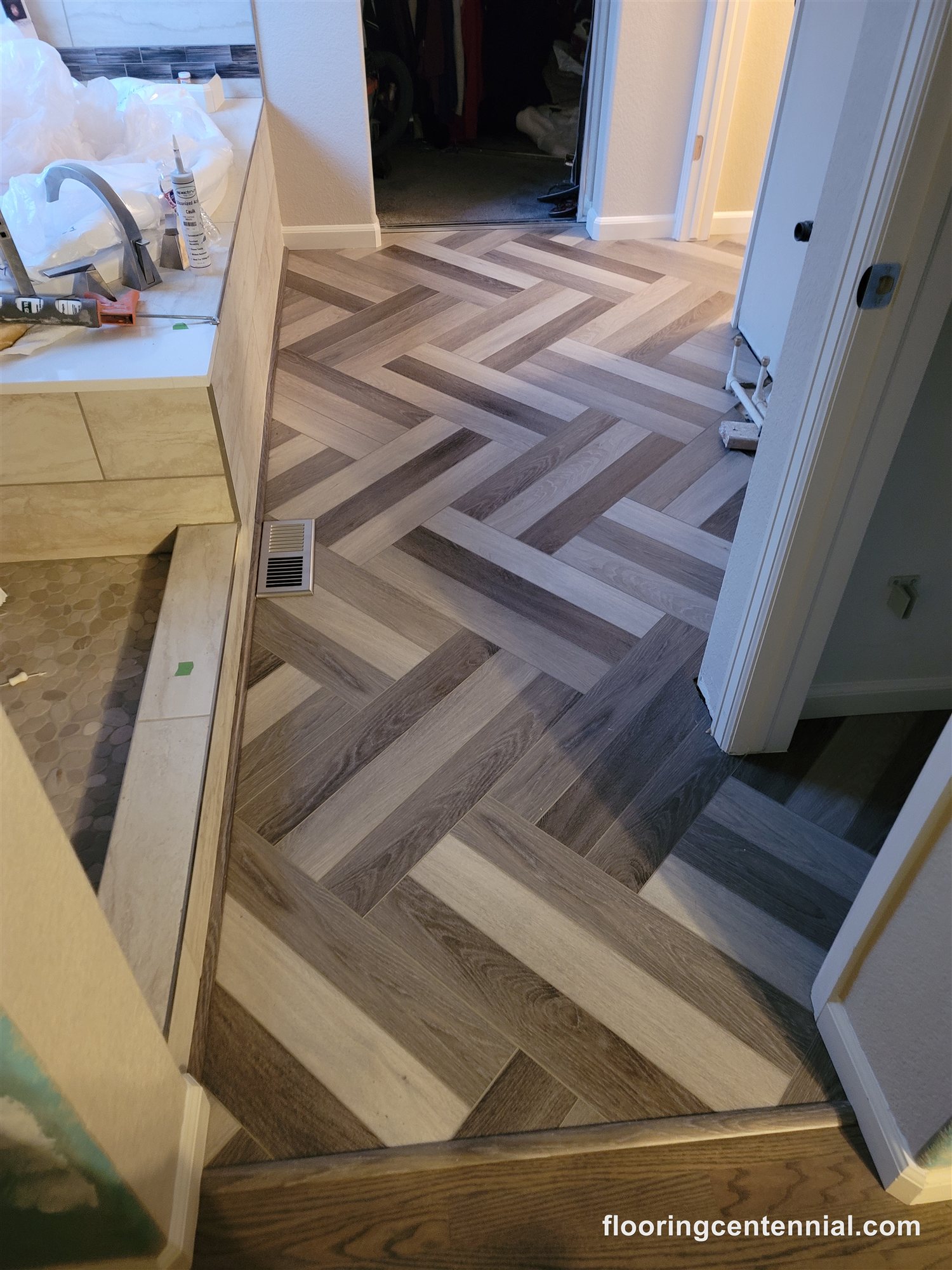
There is also the visual side of things. A well-chosen tile pattern can completely change a room. You can go with a classic subway layout, a herringbone design, or something more modern with larger tiles and minimal grout lines. The options open up once you start looking, and our showroom in Centennial has plenty of samples to compare side by side.
Subfloor Preparation and Why It Matters
Before any tile gets laid, the subfloor needs to be right. This is the part of the project that gets skipped or rushed more often than it should. A subfloor that is not flat will cause tiles to crack, grout to break, and the whole floor to feel unstable underfoot. High spots need to be ground down, low areas need leveling compound, and any damaged sections of the substrate need repair or replacement.
Our installers check every subfloor before we start laying tile. If the surface is wood, we verify that the thickness and condition can support the tile and thinset without flexing. Concrete substrates get evaluated for cracks, moisture, and levelness. When needed, we install an uncoupling membrane to protect against movement and prevent cracked tiles down the line. This prep work is not glamorous, but it is what will keep your new tile floor looking good five or ten years from now.
The Installation Process From Start to Finish
Once the subfloor is ready, we map out the layout. This means establishing a reference line or chalk line to guide the first row of tiles. Getting that first tile placed correctly sets the tone for the entire room. If the first row is off, every row after it will be off too. We measure the room, account for the tile size, and plan the layout so cuts fall in less visible areas near walls or under cabinets.
After the layout comes the actual install. We mix thinset according to manufacturer specs, matching the mortar type to the tile and substrate for the best bond strength. Large format tiles often require back buttering, where mortar is applied to both the tile and the substrate, to prevent air pockets and ensure full coverage. We use a notched trowel on the subfloor, then press each tile into place with a slight twist to set it firmly.
Spacers go between tiles to keep grout lines consistent. The width of your grout joints depends on the tile type and your preference, but we recommend a size that balances appearance with practicality. Larger tiles can handle thinner joints, while smaller or irregular tiles usually need a bit more space.
After the thinset cures, we apply grout. This fills the joints, locks everything together, and gives the floor its finished look. We wipe away excess grout carefully, avoiding scratches on the tile surface. Once the grout set is complete, we clean the floor and seal the grout if needed. Some grout types come pre-sealed; others benefit from a separate sealant to resist staining and moisture.
Cutting, Edges, and Finishing Details
Every tile installation involves cuts. Around door jambs, against walls, and near fixtures, there are always spots where a full tile does not fit. Clean cuts matter because sloppy edges are visible once the room is complete. We use wet saws for precision, and we take extra care around door frames and transitions between rooms.
At thresholds and where tile meets other flooring like carpet or wood, transitions need to be handled properly. A sudden edge or unfinished seam looks bad and can be a trip hazard. We install transition strips or trim pieces that create a smooth shift from one surface to another. These details take time, but they are what separate a rushed job from one that actually looks professional.
What We Install
- Ceramic tile for bathrooms, kitchens, and laundry rooms
- Porcelain tile for high-traffic areas and entryways
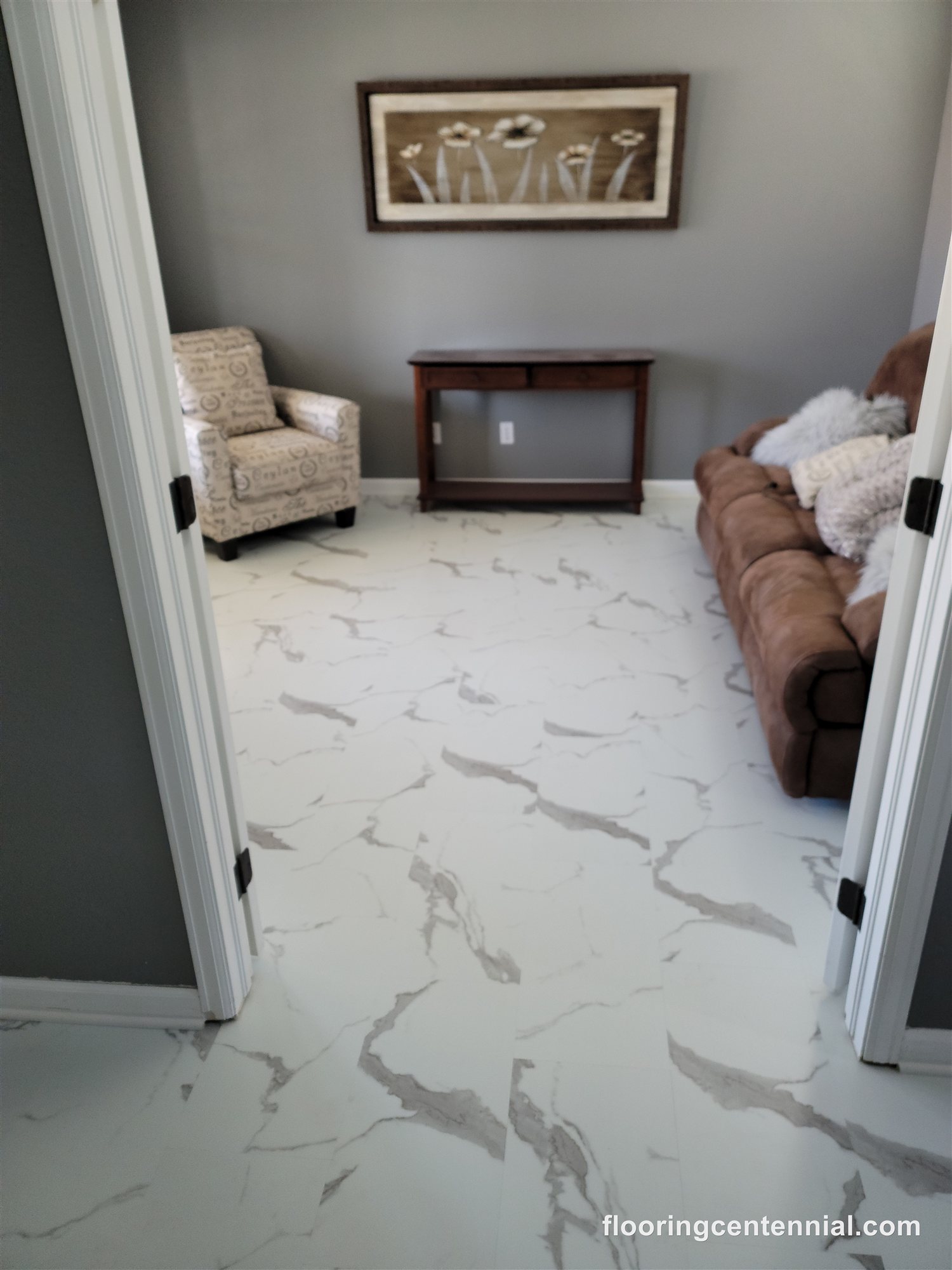
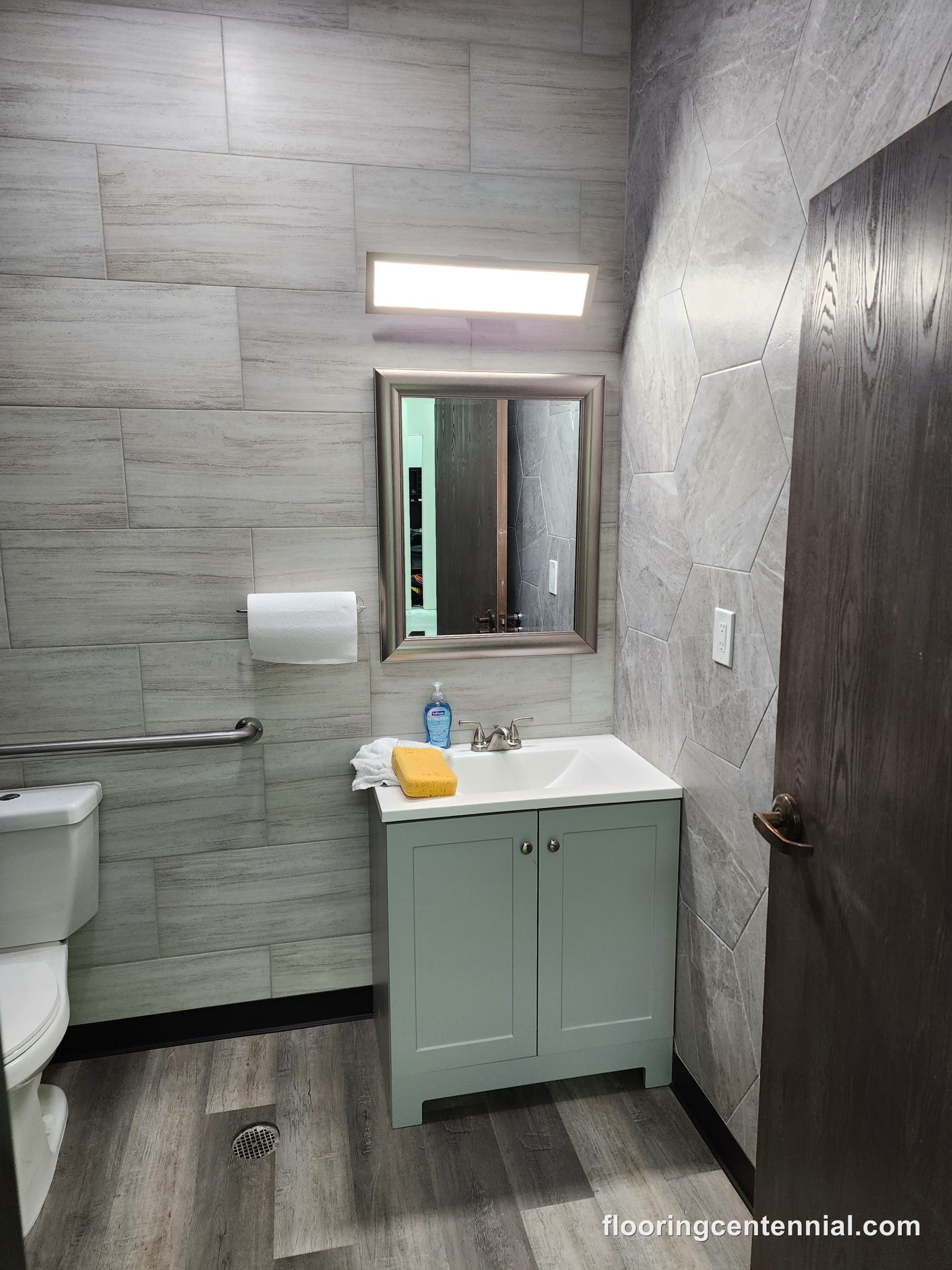
- Large-format tiles for modern open spaces
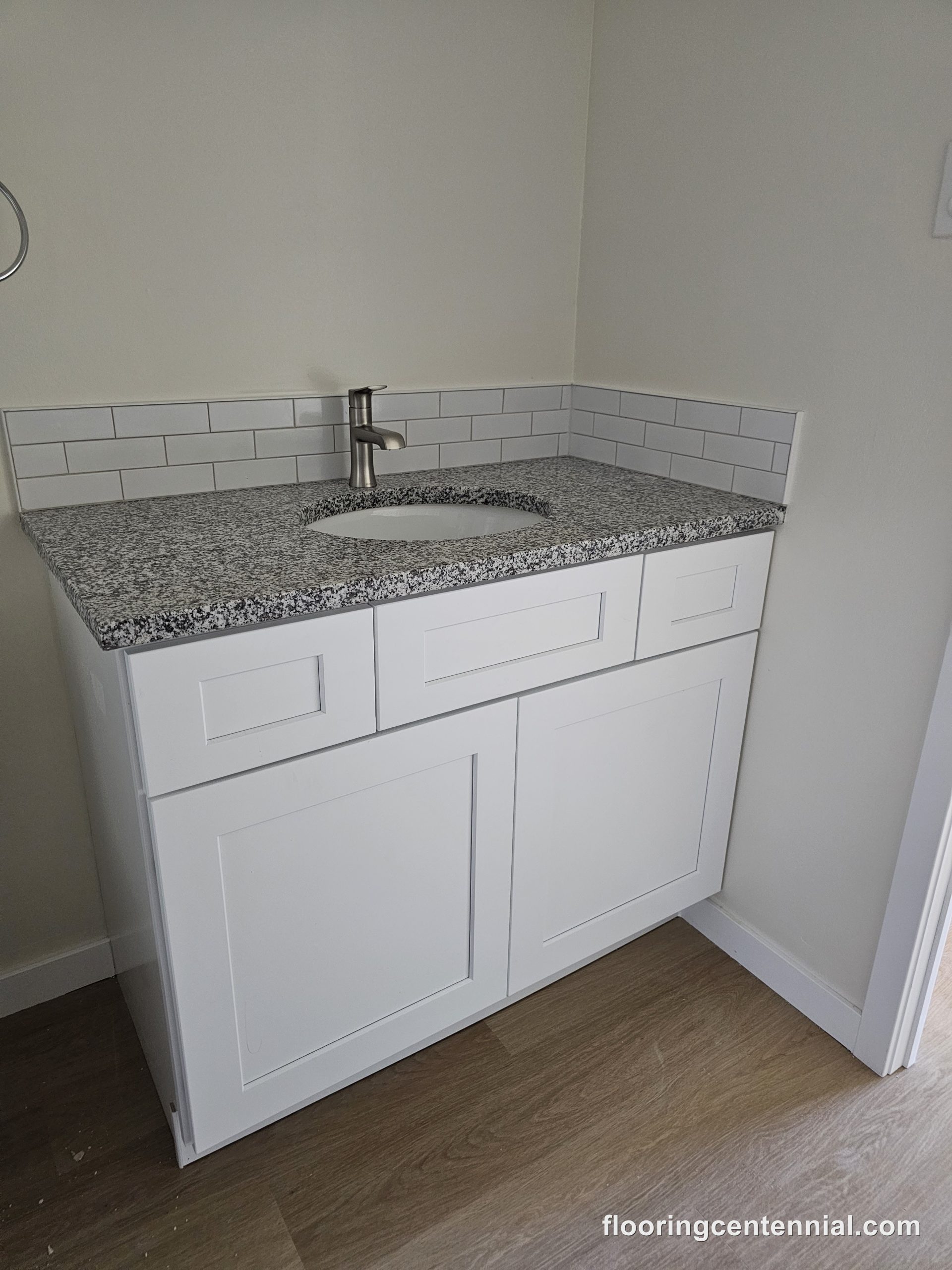
- Mosaic and patterned tile for accent walls and backsplashes
- Stone tile, including travertine, slate, and marble
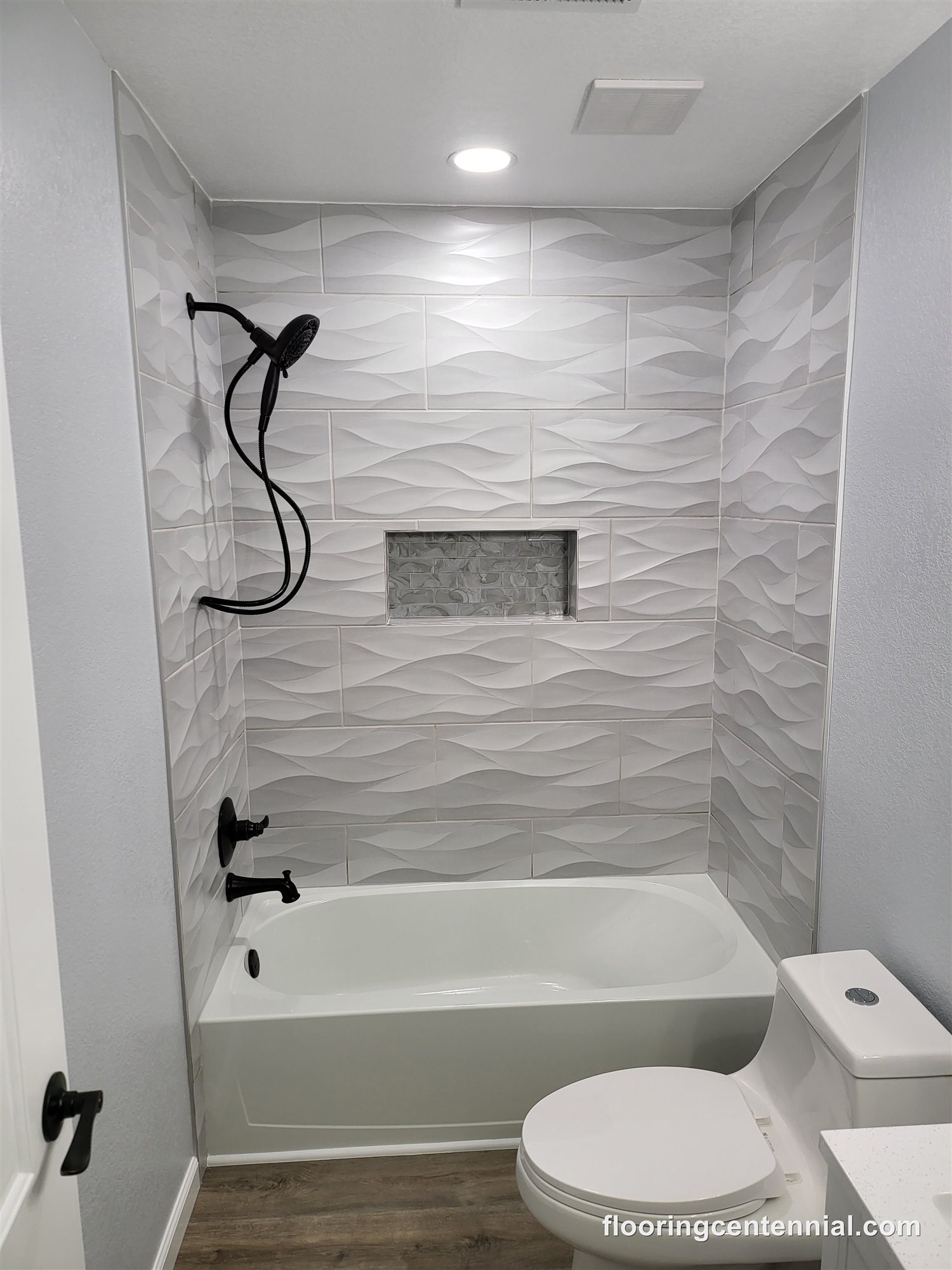
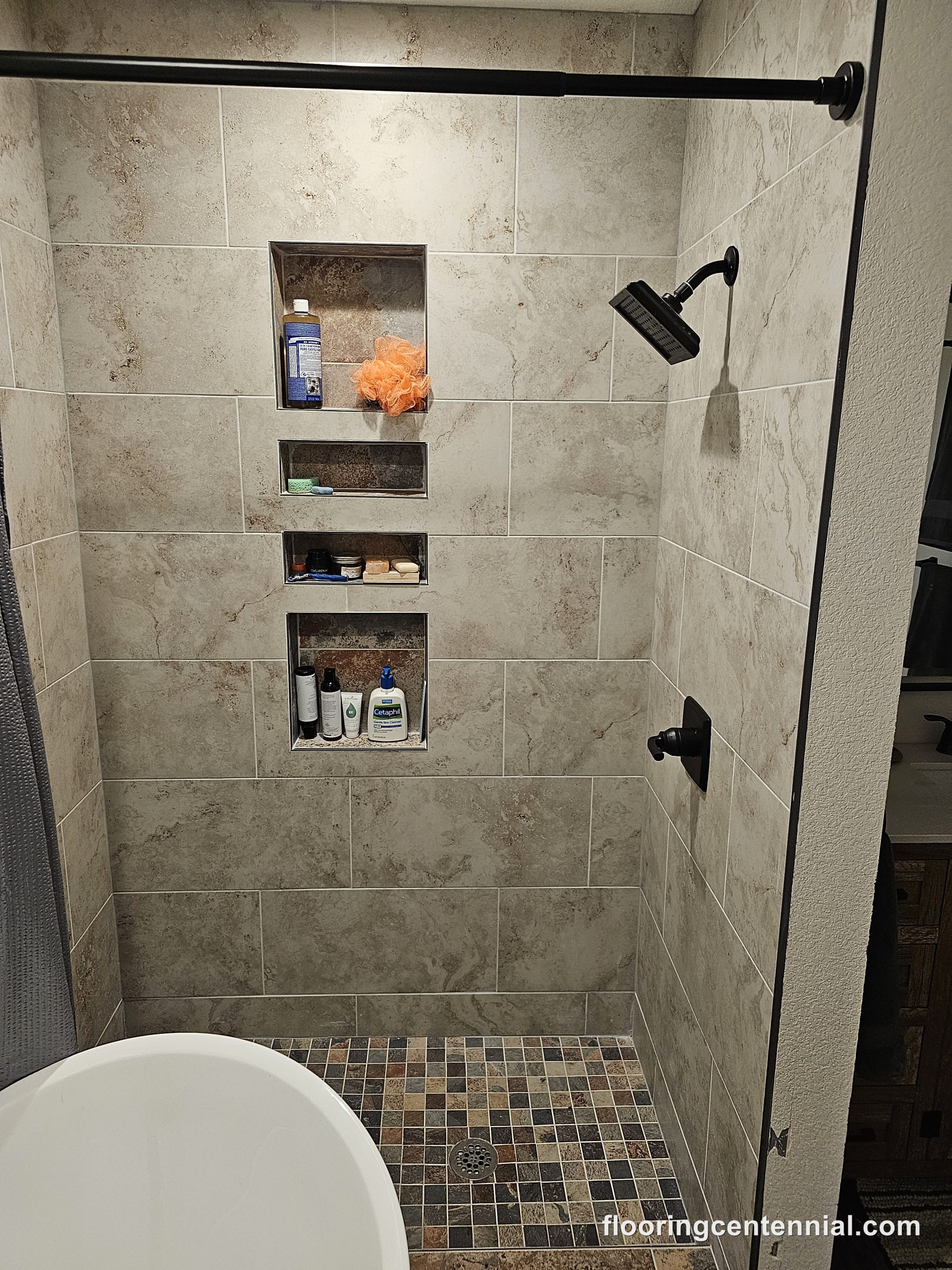
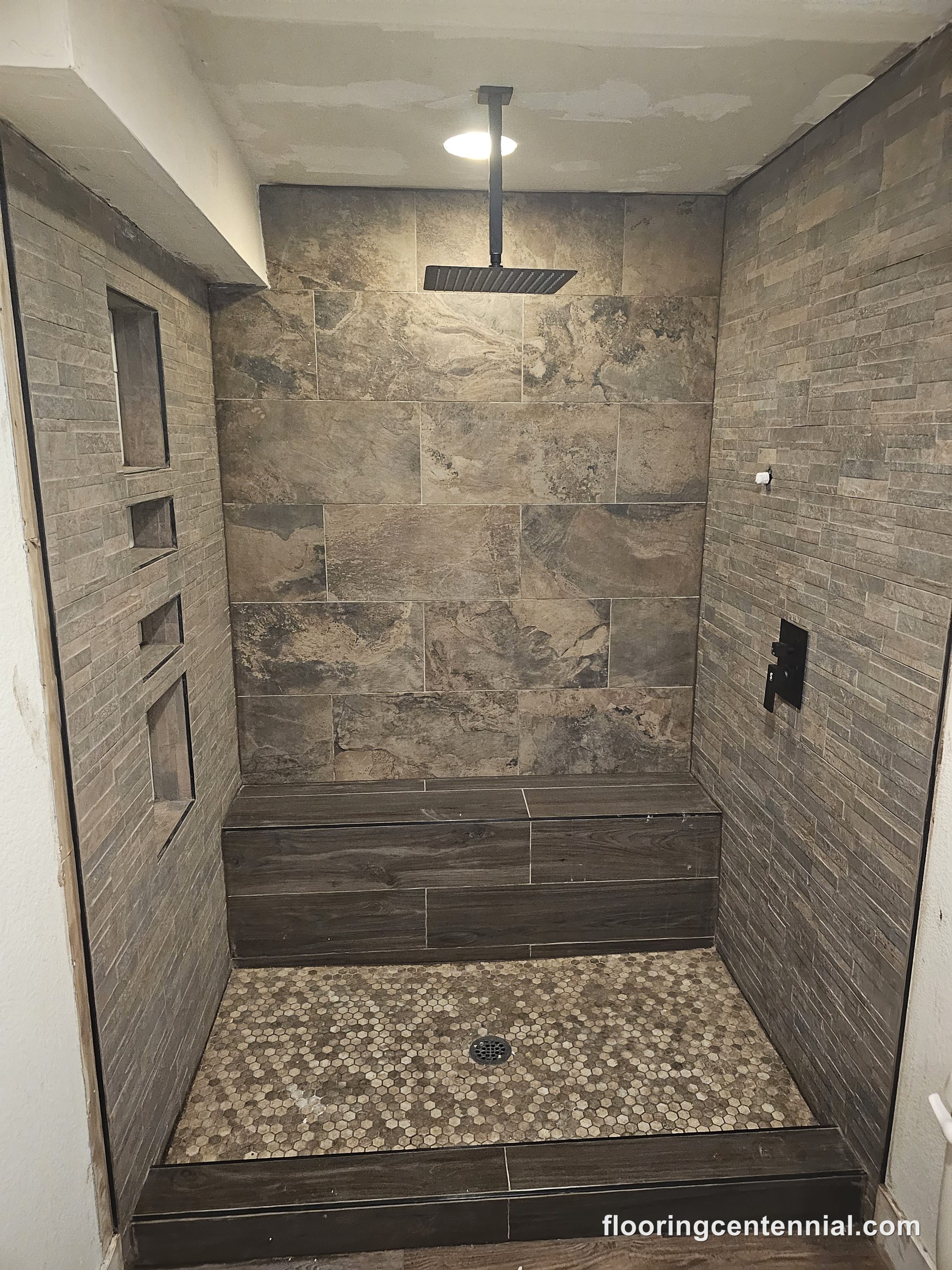
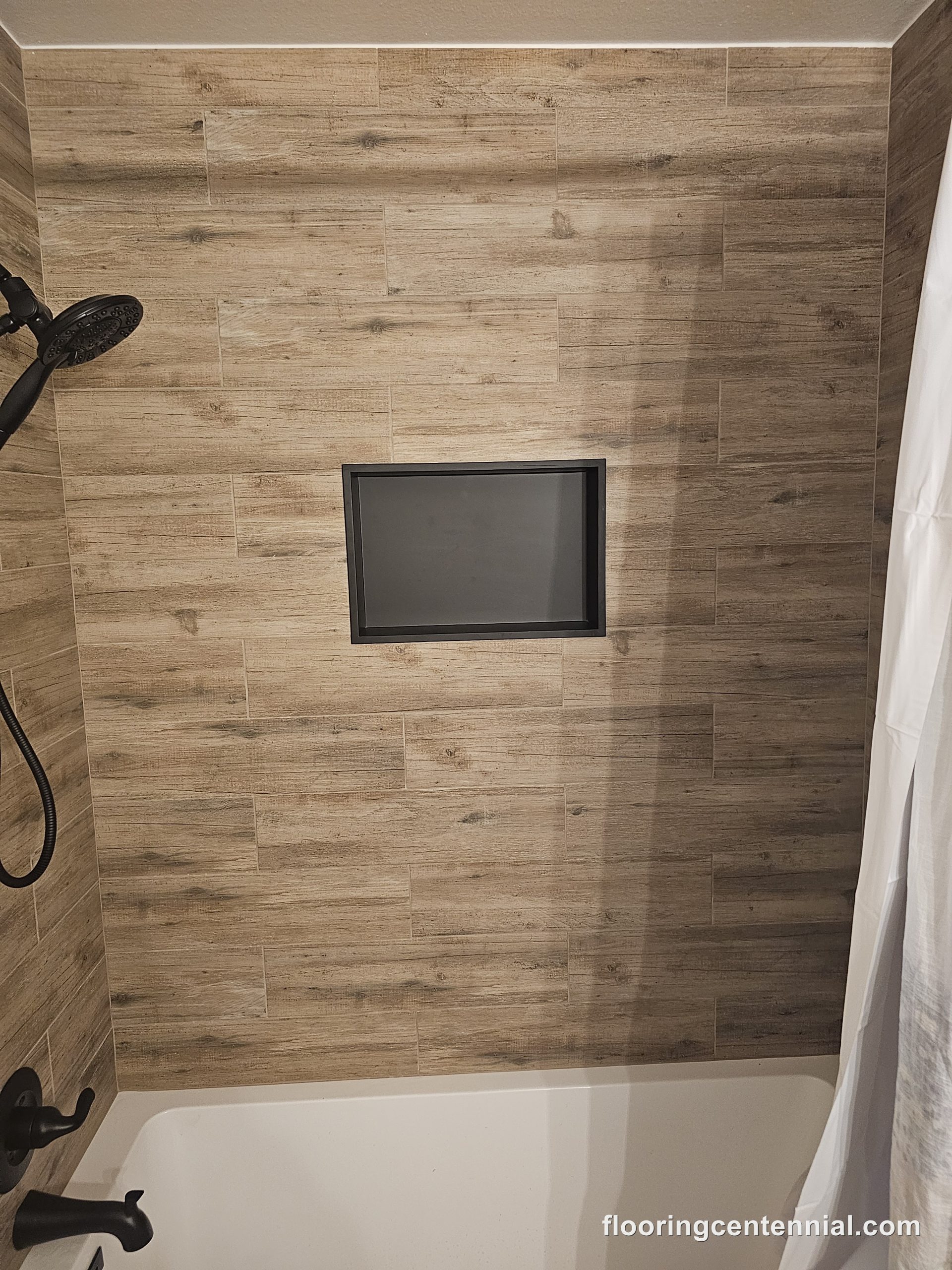
- Tile for showers, tub surrounds, and wet areas
Revamping Your Living Potential with Expert Tile Floor Installation in Centennial, Colorado
Floor & More is an expert at installing high-quality tile floors that are long-lasting, beautiful, and easy to change the look of. For places that get a lot of moisture, like kitchens, bathrooms, and entryways, tiles are a great choice. Our extensive collection of tiles comes in many colors, textures, and patterns, so you can make unique looks that match your style. Our professional installers will ensure you get a perfect finish that makes your space look better and work better, whether you want the sleek beauty of porcelain, the natural stone’s rustic charm, or the bright appeal of decorative tiles.
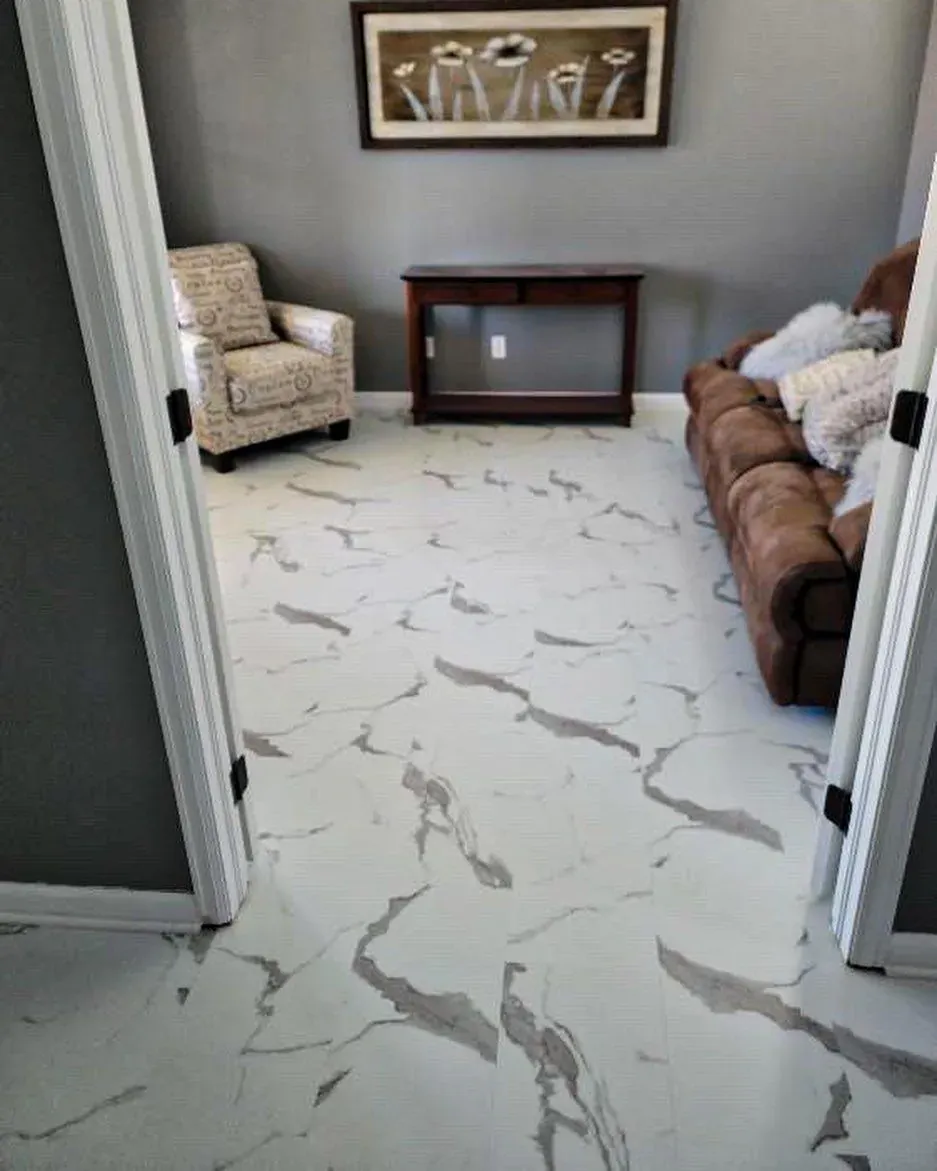
We are a family-owned and operated business based in Centennial. Our showroom at 16728 E Smoky Hill Rd is open Monday through Friday from 10 am to 6 pm and Saturdays from 10 am to 3 pm — walk in, look at tile samples, and talk to someone who knows what they’re doing. No pressure, no confusing sales tactics, just straightforward advice for your space, traffic levels, and budget. We also offer free estimates: we come out, assess the subfloor, and give you a clear price before any work begins. We handle installation for materials purchased elsewhere too, and our service area covers Centennial, Aurora, Parker, Denver, Highlands Ranch, Lone Tree, Castle Rock, and surrounding communities, with the same attention to detail on every project.
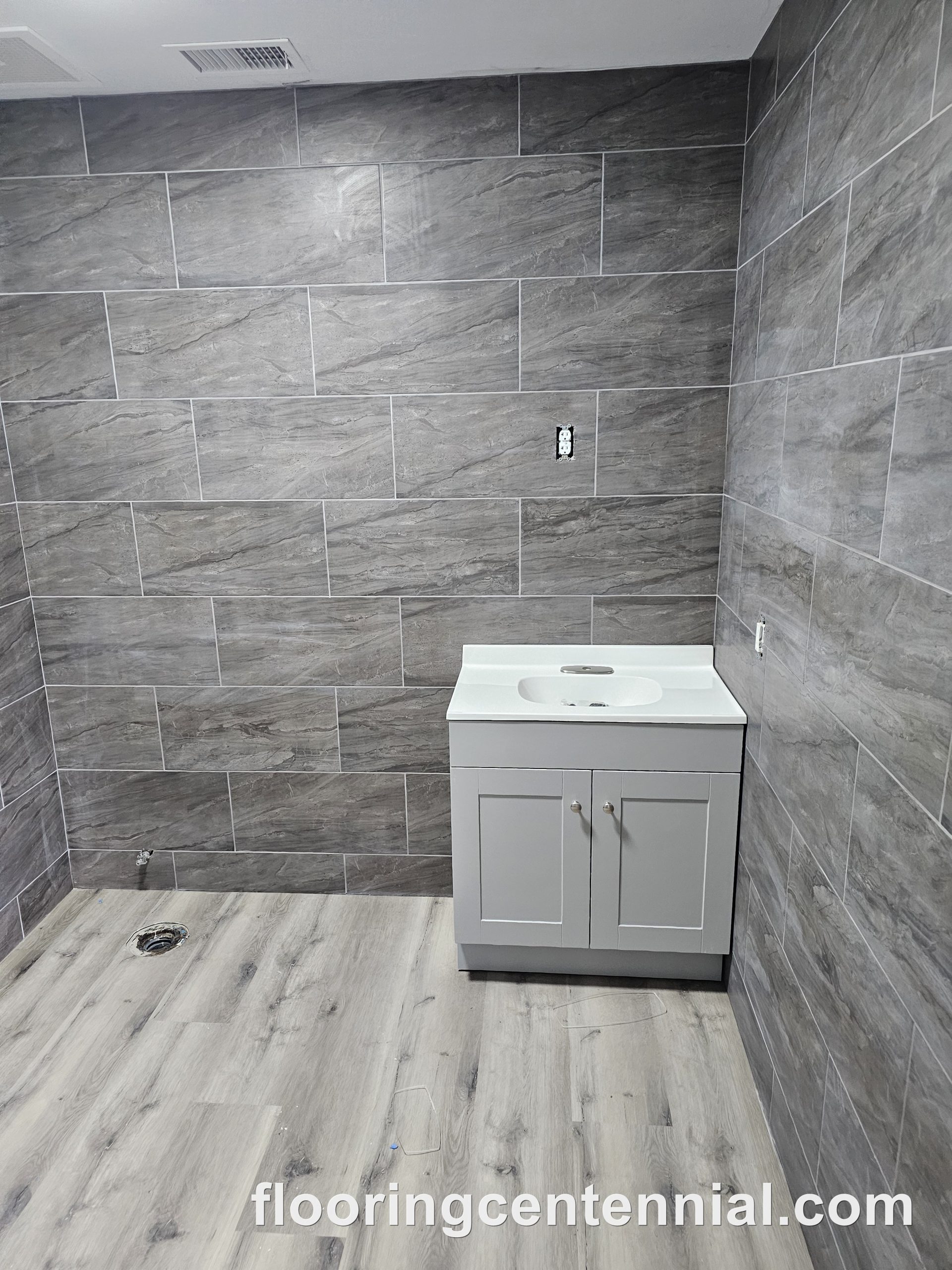
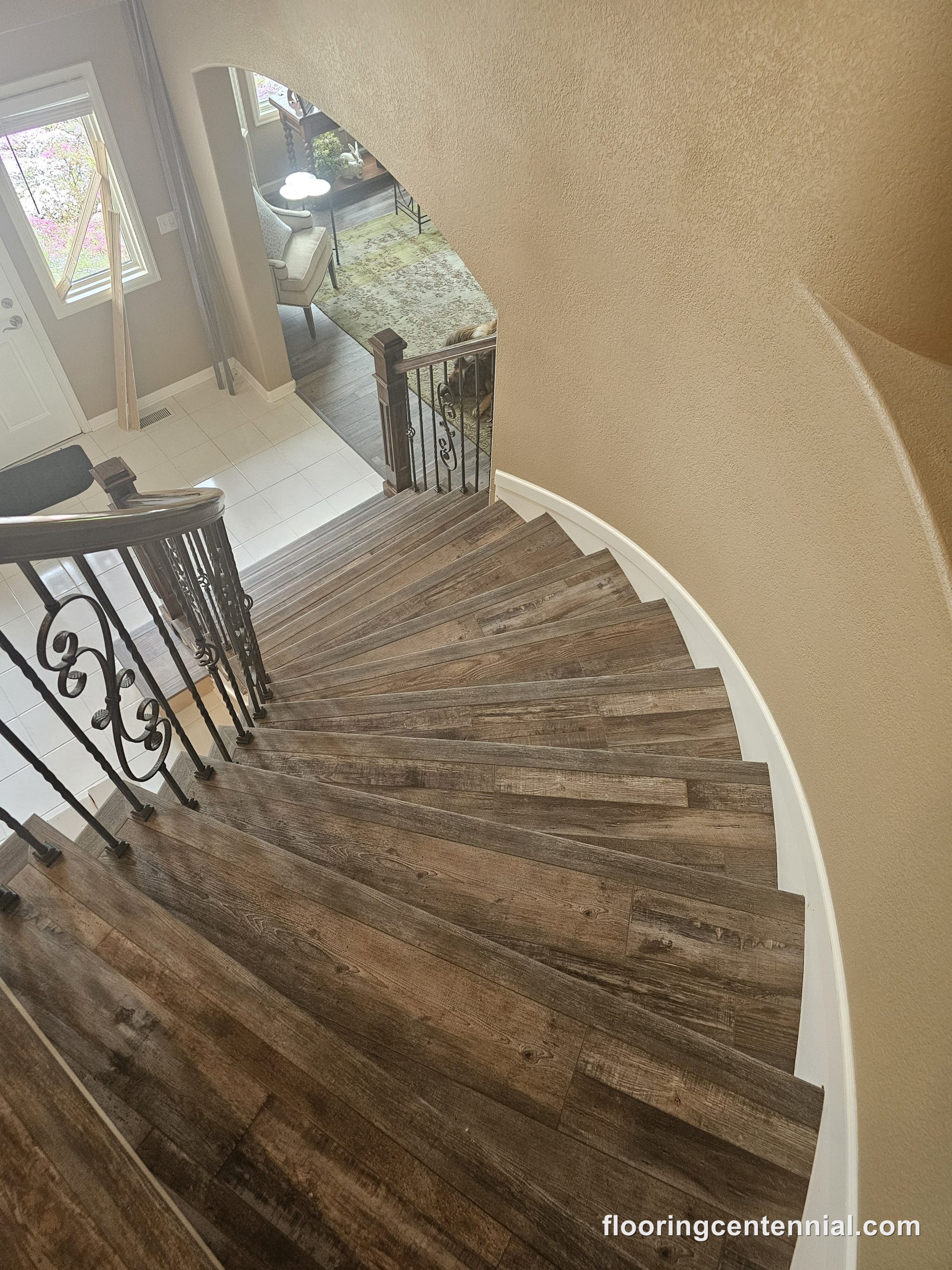
Recent Tile & Custom Showers Projects
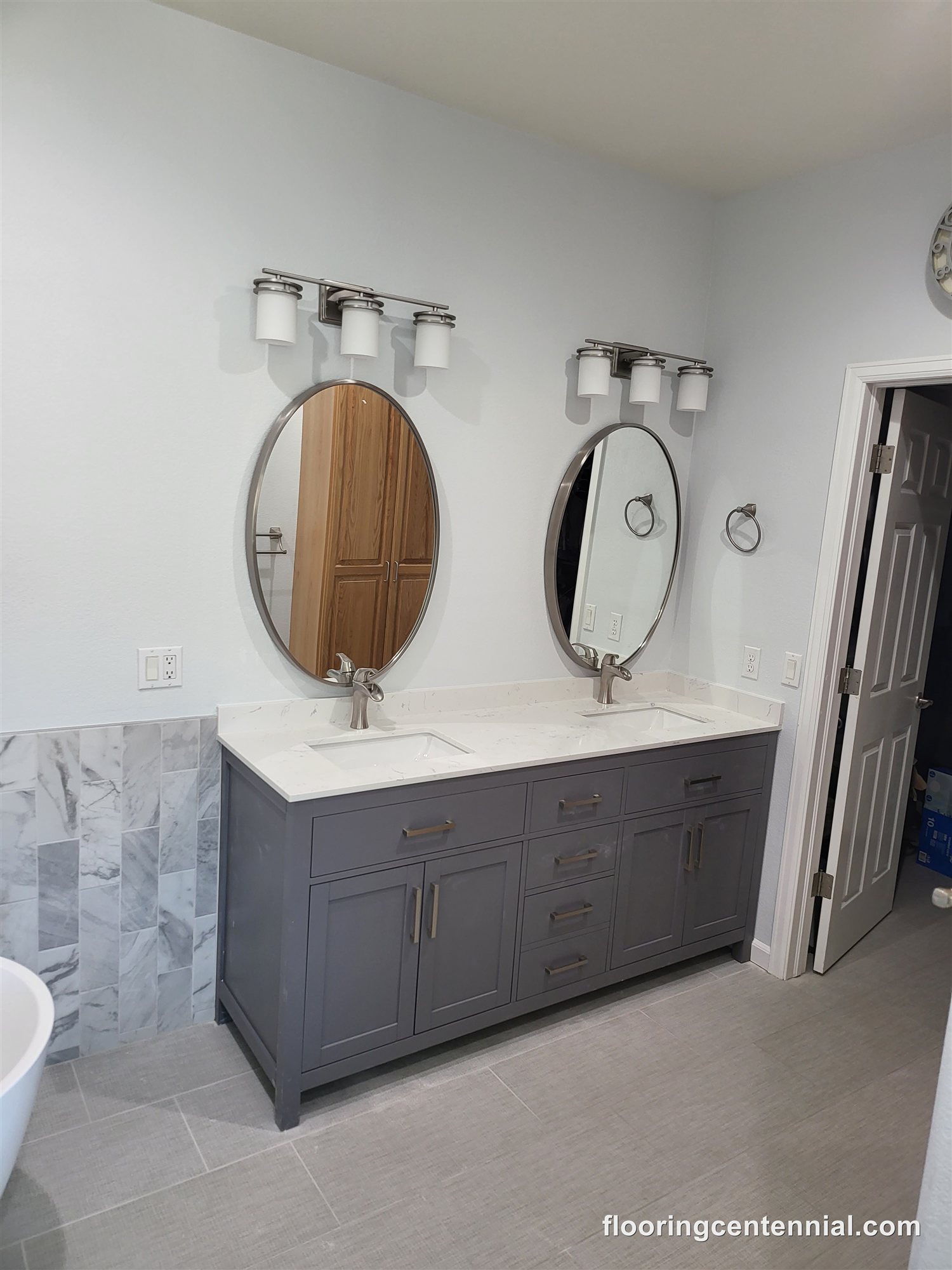
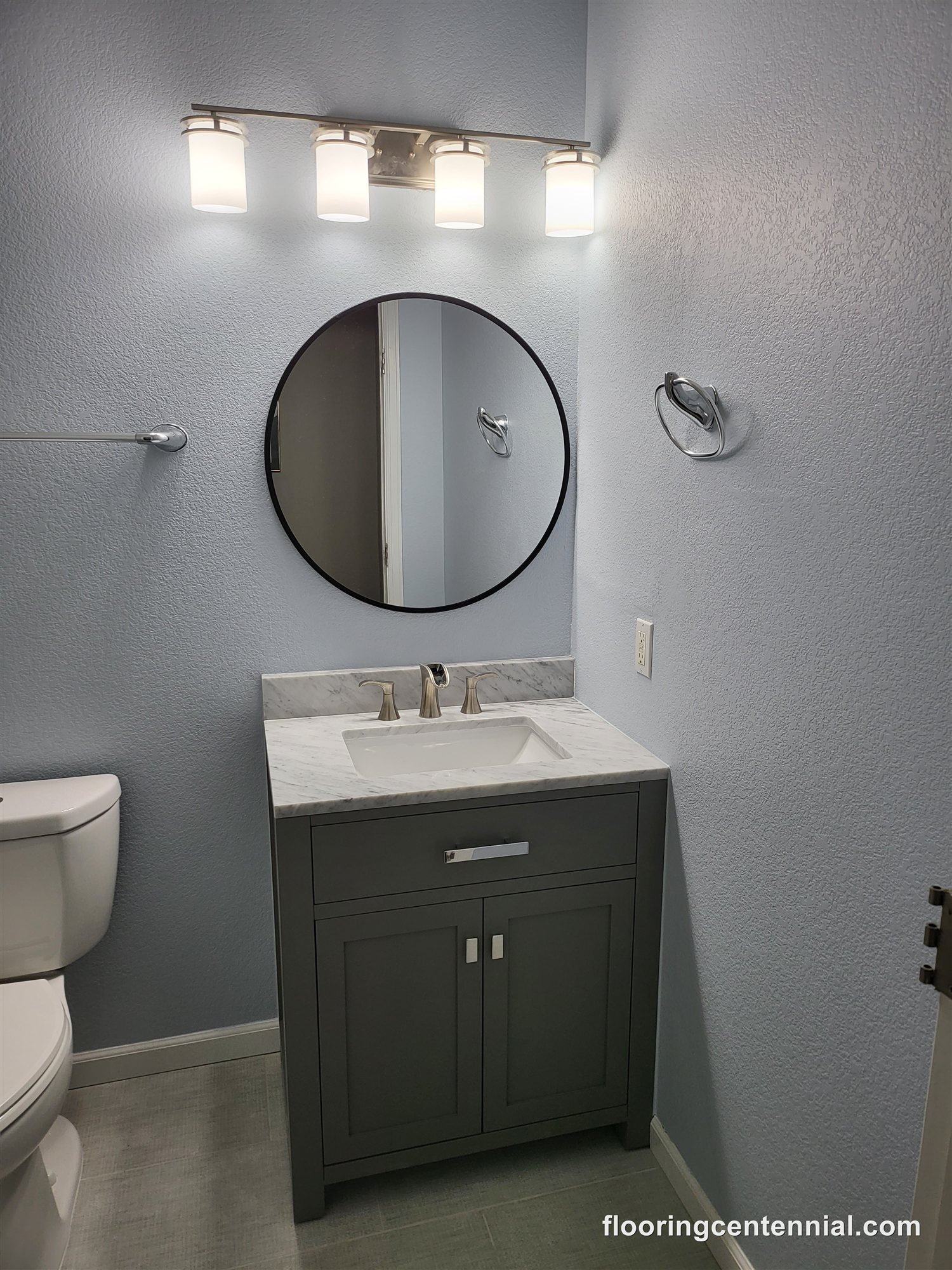
A few real tile & custom showers projects completed for homeowners across the Denver Metro area.